




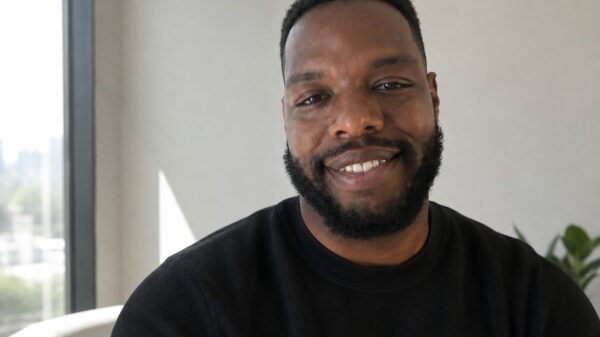


Sixteen years ago, the marches meant to stop the killing were starting fights in the street. Hakim Green stopped preaching and built a 24-hour party instead. This summer, in Newark’s safest year since 1953, it turned 16.
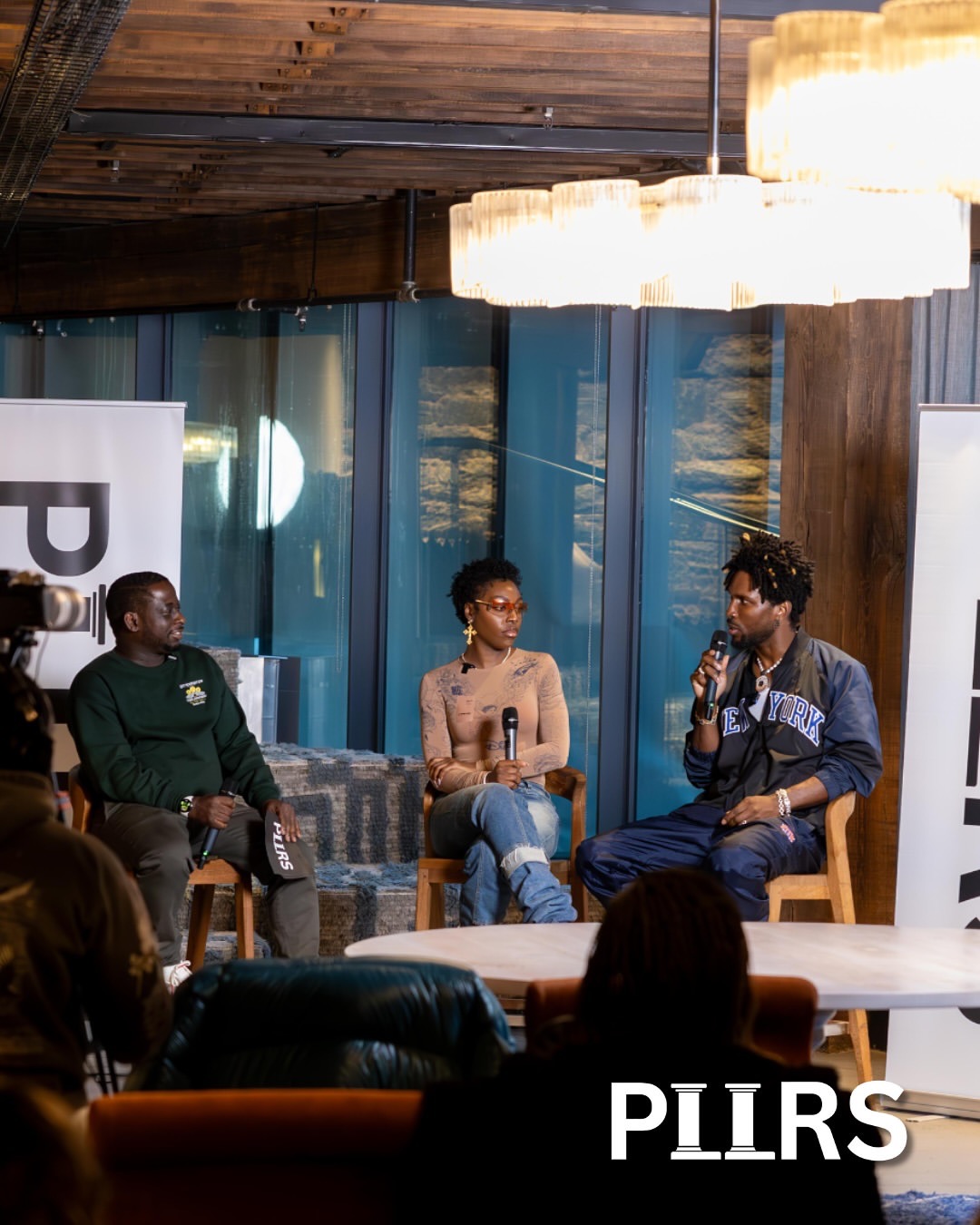
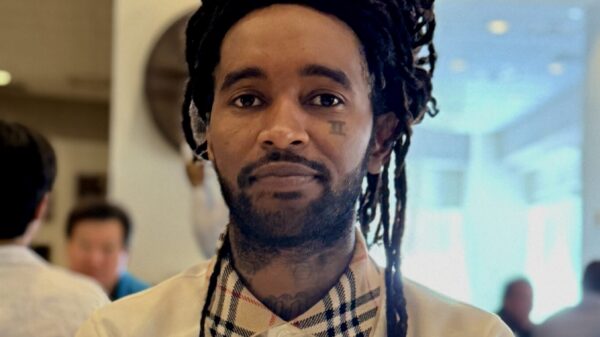
On a downtown stage this summer, with babies in strollers near the front, East Orange native Hakim Green refused to perform his biggest song the way he wrote it. “Mad Izm,” his 1994 record with KRS-One, is a weed anthem. He changed the hook on the spot. For one night, “Mad Izm” became “mad wisdom.”
He explained the switch without apology. “As artists, especially adult artists, we have to figure out ways of crafting our art, the presentation of our art, to meet the moment,” Green said. “You gotta do better at reading the room.”
Green has spent 16 years reading Newark’s. The problem he set out to solve in 2010 is the one no flyer mentions: how do you sell peace to a neighborhood that has learned to tune the word out.
The answer did not start as a party. Green came up as a rapper, a former teacher and an organizer with the Newark Anti-Violence Coalition, in a city he still describes in plain terms. “Newark was one of the leaders in the nation when it came to violence and crime,” he said. “Murder capital of the country. And unfortunately, there were too many people finding pride in that.”

The coalition marched, and Green watched the protests provoke the thing they opposed. In the fall especially, when the dark comes early and people are fighting home from work, drivers would hit a peace demonstration and lose it. “You get stopped in traffic during an anti-violence protest,” he said. “People fighting anti-violence protesters.” The message was correct. The delivery was losing the room.
So Green flipped the method: stop marching people toward peace, invite them instead. He had watched hip-hop move a generation before, through the Stop the Violence Movement and records like “Self Destruction.” “I saw what hip-hop could do in uplifting the people, organizing, galvanizing the community,” he said. He took the idea to Amiri “Middy” Baraka Jr., 24 Hrs. of Peace co-founder and now the mayor’s chief of staff. Green was thinking four hours, maybe six. Baraka countered with 24. “We gotta capture the imagination,” Green recalled him saying. “We gotta do something that’s different, that’s unique, that makes a mark.”
The early years ran on faith. A car battery powered the first lights, the sound system was borrowed. “The first four or five years, there was no budget,” Green said. “We were asking for favors, pulling favors. People coming out on the strength of the cause.” Money did not arrive until Ras Baraka became mayor in 2014, and it barely covered production. Some years it came together in two or three weeks. “A lot of confusion and jumping through hoops,” he said, “walking over hot coals, walking through the fire.”
By The Numbers
The math has since turned. Newark recorded six homicides in the first half of 2026, down from 17 a year earlier. We send our condolences to those families. That 64.7% drop was the steepest among the 66 U.S. and Canadian police agencies the Major Cities Chiefs Association tracked at midyear. In 2025 the city logged 31 homicides, its fewest since 1953. Green keeps his own count. “Since 2010, when we launched 24 Hrs. of Peace, the violence and crime has dropped 50.7 percent, basically in half,” he said. “This particular year, Newark leads the nation in homicide reduction.”

He refuses to hang that number on a festival. “I don’t want to get too gassed, because life be life-ing,” Green said, and listed everything a concert cannot fix. “Mental illness is a thing. Drug addiction is a thing. The economy is a thing. Unemployment is a thing.” The credit, he says, belongs to the year-round labor. “It’s really about the everyday work that these peacekeepers are committed to,” he said, “and we don’t want to lose sight of that and make it all about a concert.”
Green credits the machine that produced the numbers, starting at City Hall. “The strategies that Newark has been implementing, thanks to the mayor,” he said, run through the Office of Violence Prevention and Trauma Recovery, the Brick City Peace Collective and the Newark Department of Health, alongside the Newark Anti-Violence Coalition that started it all. He traces the approach to one idea Ras Baraka carried from his years as South Ward councilman: treat violence as a public-health problem and fund the response like one. Green reaches for the Marshall Plan to explain it. “Investing in people,” he said. “The number one resource is human resource.”
It Still Takes a Village
The festival looks nothing like the one Green started. It was pure message, and it played to an empty street. “When 24 Hrs. of Peace was all positive, all conscious, it’s five hundred people show up,” Green said. The feedback online was blunt. “I don’t know why they doing this. Don’t nobody want to see these artists,” he recalled. So he made the first tweak. “All right, so we gonna bring artists that people want to see.”
That filled the street and created a new problem. The acts who fill Broad and Market don’t always carry peace, love, unity and safety in their music. His job became building a room where the draw and the message share a stage. “It’s some small pivots that artists can do that we need to enforce,” he said. “You force these artists to accommodate us, so we don’t get the negative backlash.”

Some nights that means holding his breath. He won’t cut a set short; a killed performance can turn a crowd. “You don’t want to lose the crowd,” Green said. “Losing the crowd could end up in a melee.” “Let’s just push through it, and then clean it up in between,” he said. “Bring people back to the focus, bring people back to the message.”
A lot of the repair lives in the running order. Green will book a young act the kids scream for, then put a message artist directly behind it. This summer he followed Bunna B with Brother J of X-Clan, the pioneering pro-Black crew. “That was strategic,” he said. “Bring the kids out so we can expose them to Brother J.”
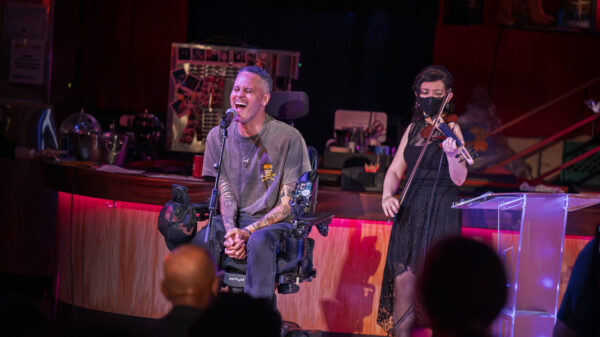
The 2026 stage ran deep. Chante opened it with a mime and dance piece. T Hawk, a hip-hop gospel artist, followed and raised the bar. Local MCs Billy Roads, Slick Nick the Ruler and Khalil Jibran gave the crowd performances filled with energy and bars. After Memphis Bleek’s set, Freeway surprised the audience by bringing Beanie Sigel to the stage. MC Lyte, the voice of hip-hop at BET, ran a 40-minute set. Battle rap legend Arsonal was followed by Tsu Surf’s first performance since being released from a five year prison sentence. DJ Lil Taj and friends closed the weekend with a lineup the DJ curated himself.
The front row keeps him tinkering. Green has watched children rap explicit lyrics back word for word. “That is scary,” he said. “Parents, you gotta do a better job.” Behind the stage, screens run images of the peace organizations while the music plays, so the draw feeds the mission. “These artists bring the crowd to the message,” Green said.
The grown ones, he asks to meet him where he met the moment with “mad wisdom.” “There’s a time and place for everything,” Green said.
The design carries the philosophy. Green built the event so a toddler, a teenager and a grandmother each find a reason to stay on the same block for a full day and night. “That’s why we do it for 24 hours, to let our community know that they can come out at any time of the day and feel safe,” he said. “Old people, young people, teenagers, 20-somethings, 30-somethings, 40-somethings. We can share in culture, we can share in information, we can share in knowledge.”
Over the weekend of Aug. 28, organizers counted more than 100 vendors on Broad and Market, free haircuts from three barbershops, 400 book bags packed for school, a petting zoo and kids’ zone run by the Urban League of Essex County, and an overnight screening of “Love Jones.” Saturday opened with yoga and a workout block led by NDO Champ, Haqqi Mu and Nikki D, and fed more than 100 seniors over a gospel breakfast before the stage warmed up. City departments worked the crowd the entire time. The music brings the people. The services are what he wants them to leave with.
The weekend also left the block. Basketball as Life ran Saturday at West Side Park, roughly two miles west of the stage, built with Councilman Dupre “Doitall” Kelly and Michael Bivins’ Summer Madness Basketball League. Kelly rapped as DoItAll in Lords of the Underground before he won the West Ward seat, and Bivins came up through New Edition and Bell Biv DeVoe into years of funding youth leagues. The court worked as a second entrance. Anyone who was never going to stand in a crowd downtown for a rap set could still find the day, and the people running it, at a park in their own ward.

Other cities want the blueprint. Green said Philadelphia now runs its own “10 Hours of Peace.” “I wonder where they got that idea from,” he said. He has been talking with organizers in the Bay Area and Baltimore about building their own. Mayor Ras Baraka, who won a fourth term in May, has four more years to keep sending it out.
The number still has to hold. Newark’s six homicides came in the first six months of 2026, and the city is working to carry that pace through December. A full year at that rate would give Newark, the seat of Essex County, its safest count since 1953. Green is already building toward 2027. “We gotta take what he’s done to the next level and keep Newark pushing forward,” he said.
King’s Restaurant on Clinton Avenue, where the festival was born, still opens its doors. Team Baraka, the city’s peace offices and the Newark Anti-Violence Coalition run the ground game. Vendors, volunteers, barbers, donors and local artists carry the rest.
Pick up a tee at 24hrsofpeaceinc.com, and while you’re there, tell the organizers what would improve the festival next year. Newark started 2026 as strong as it has in seven decades. Finishing it that way is the work Green is asking everyone to take part in.