
The Third + Hayden founder built a no-strings wellness fund into every deal she signs — and calls it the smartest money she spends.
The music industry is known to be mentally and physically demanding. This spring, Megan Thee Stallion was hospitalized for exhaustion and dehydration after falling ill during a Broadway run of “Moulin Rouge!” She said she’d been “pushing myself past my limits.” Kei Henderson has created a way for the artists she represents to take care of their health with no strings attached. One artist on her roster uses hers for a personal trainer. Another takes pottery classes to slow down and stay present. Henderson calls it the Personal Development Fund — a nonrecoupable pool written into every label term that she treats like any other line item.
“It’s free money to go out and take care of yourself,” she said.
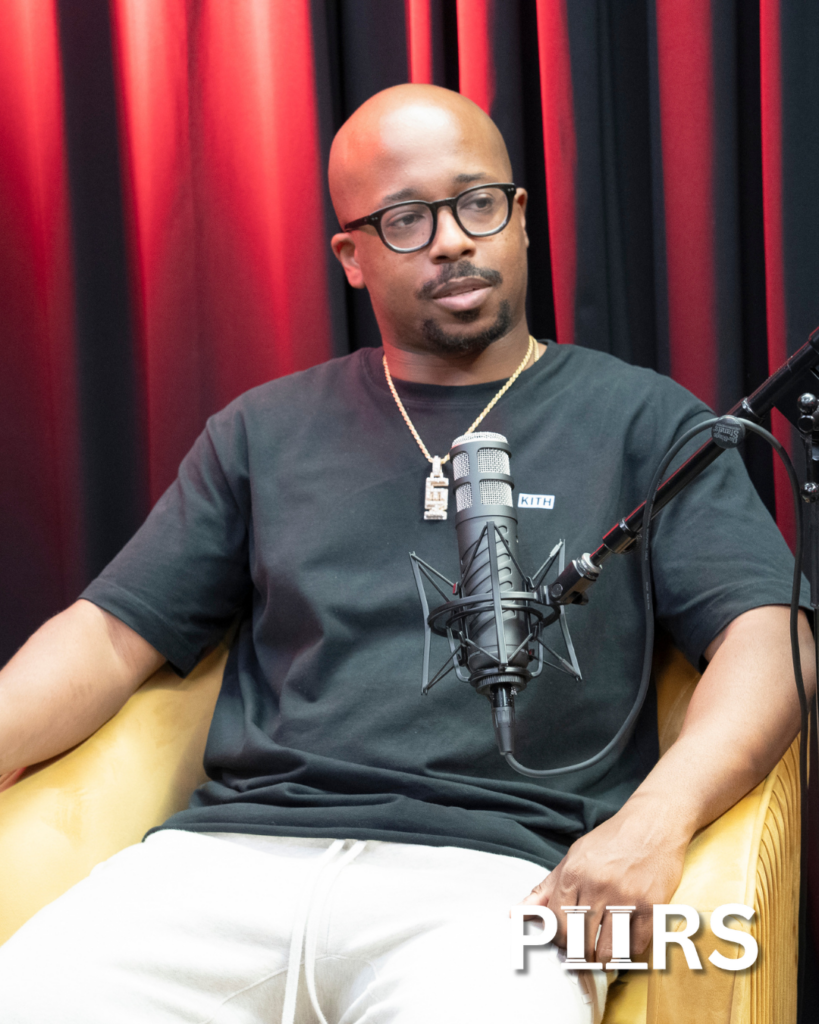
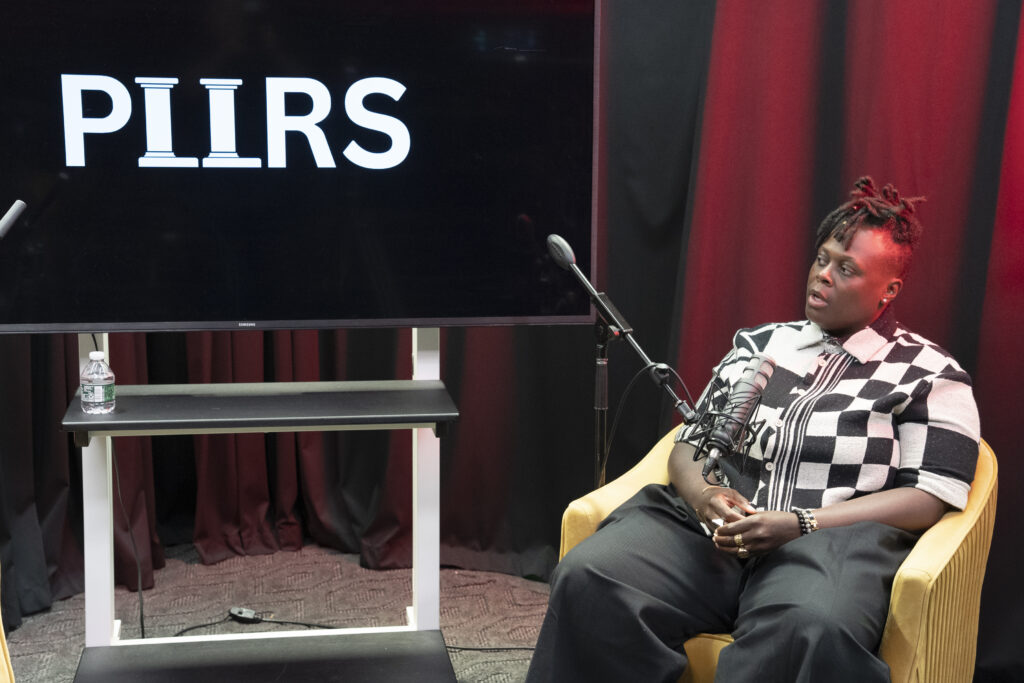
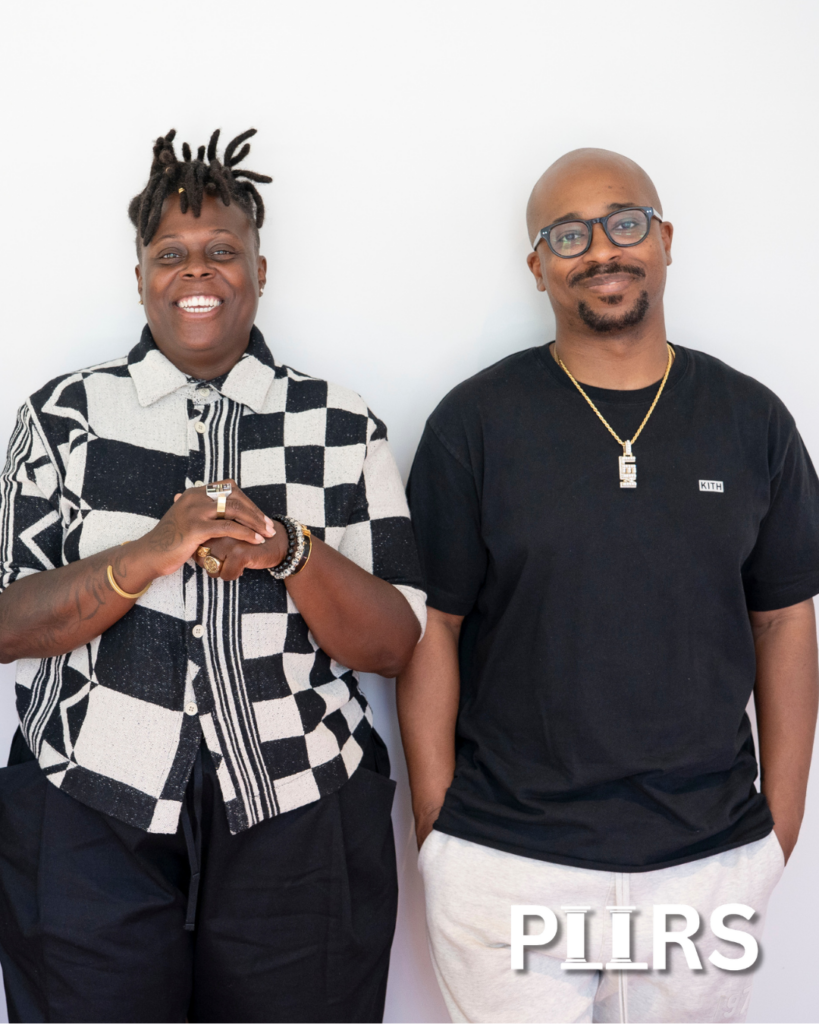
The Third + Hayden founder laid out the thinking on “Won of One: A PLLRS Podcast,” in a conversation with host Reg Calixte that doubled as a master class in building artists who last.
Henderson runs the fund as cold business math. “Mental health is not a buzzword,” she said — for her it’s the floor under everything else. She hit her own burnout before the pandemic, the kind where she didn’t want to make music again, and used the lockdown to reset. Now she runs the same logic for her roster: a burnt-out artist is a stalled asset. She’s also in business with Live Nation now, which signed an artist-development deal with Third + Hayden in 2024 — a partner that size notices when the numbers slip.

A Ditto Music survey of more than 2,000 artists this year found 86% had hit serious mental strain at some point in their careers, with social media pressure and money worries at the top of the list. More than half said burnout pushed them to stop releasing music. The business runs on people it routinely runs into the ground.
Henderson can build like this because she built leverage first — the throughline of her whole career. “The name of the game is leverage,” she said. Working with 21 Savage early, before he was 21 Savage, she dropped mixtapes independently and worked the blog-era relationships she’d built at Complex until the demand spoke for itself. When 300 Entertainment passed on him over the knife tattoo on his forehead, she kept building.
“We just never allowed anybody to tell us that we needed them,” she said. “Because we knew that we didn’t.”
The receipts: within a year of his first mixtape, she says he was pulling $25,000 a club booking. Then she put him on $1,000-a-night tours on purpose, trading cash for ticket history because you can’t build a touring career without it. That leverage bought the terms — a license deal at 80/20, masters retained, the kind of structure most major-label artists never see. And she never chased singles. They shipped full albums, betting on a catalog people buy into instead of a playlist moment that evaporates in a quarter.

That patience is the whole point now, because the fast money dries up. Henderson’s advice for this market is plain and unglamorous: get comfortable being middle class.
“It’s okay to be a middle class artist right now,” she said. Streaming pays nothing without a viral machine behind it. Touring is unpredictable. So she pushes artists to build adjacent skills — curation, hospitality, whatever they’re good at — and sell that to local businesses, because merch and physicals out-earn streaming for most working musicians.
“Anybody telling you they have it figured out right now is full of shit,” she said. The streaming bubble burst, and the superstar tier is shrinking to a handful. She isn’t mourning it. The opening is the niche: build a specific audience deep enough and you can be a superstar inside it, on terms you own.
Strip away the music and Henderson’s model reads like a business plan for anybody building outside the system. Define your value and create your own world that no gatekeepers could ever lock you out of. Negotiate from leverage. Own the asset — masters, audience, whatever your version is. And protect the human doing the work, because the human is the product, and the people still standing in ten years are the ones who treated themselves that way.
The Personal Development Fund could revolutionize the music industry. Plenty of companies say they care about their people. Henderson put nonrecoupable money behind it and dared the rest of the industry to match her.
“To show up as your best self, you need that support — whether you’re an executive, an artist, whatever it is,” Henderson said.
Stream the full “Won of One” episode featuring Kei Henderson for the entire conversation. Then run the audit on your own operation — where’s your leverage, and what are you actually doing to protect the one asset you can’t replace?
To learn more about what Kei Henderson is building, visit Third + Hayden’s official site.