






















The untold story of how the same scriptures justified slavery and sparked liberation movements across the American South
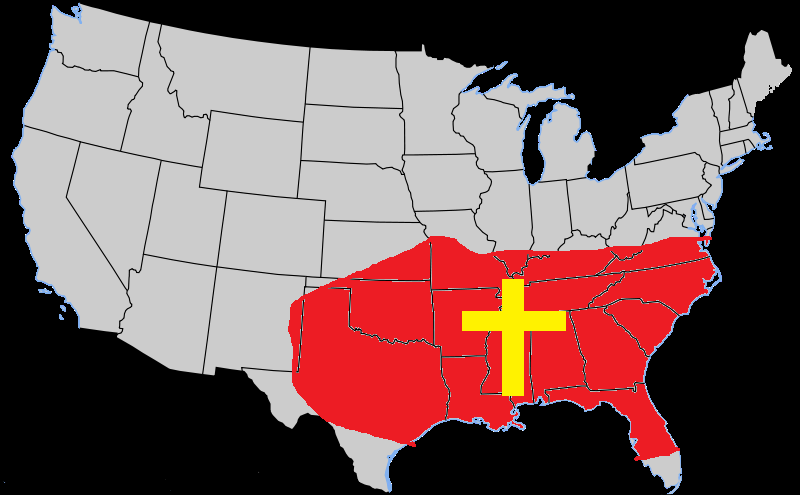
Stretch a line from Texas to the Carolinas, dip south through Alabama and Mississippi, then north through Tennessee and Kentucky—you’ve just mapped America’s Bible Belt. This cultural and spiritual landscape was forged by centuries of faith, power, and resistance. Here, the same scriptures that justified slavery also sparked liberation movements. Understanding the Bible Belt means understanding how religion became both sword and shield in America’s most defining moral battles.
In colonial America, Anglicanism dominated the South. However, revival movements linked to Baptist and Methodist denominations spread rapidly during the Second Great Awakening, especially among rural communities. There was a serious intersection between religion and slavery. While white evangelicalism reinterpreted scripture to support racial hierarchy, Black Americans transformed those same traditions into powerful symbols of hope and resistance. These groups emphasized Bible‑based preaching, laying the groundwork for what later became, “The Bible Belt.” That tension shaped the region’s religious identity and continues to influence religion, race relations and social structures today.
As evangelical Christianity expanded, preachers reshaped church messages to appeal to white planters and patriarchal households, sidelining messages about social equality. This helped evangelicalism thrive in Southern society by accommodating existing power structures.
Southern religious leaders defended slavery using Biblical texts like Ephesians 6:5 and Genesis’s Curse of Ham (Genesis 9:20-27), portraying slavery as a divinely ordained institution. These rationalizations were deployed to maintain social hierarchy and economic benefit.
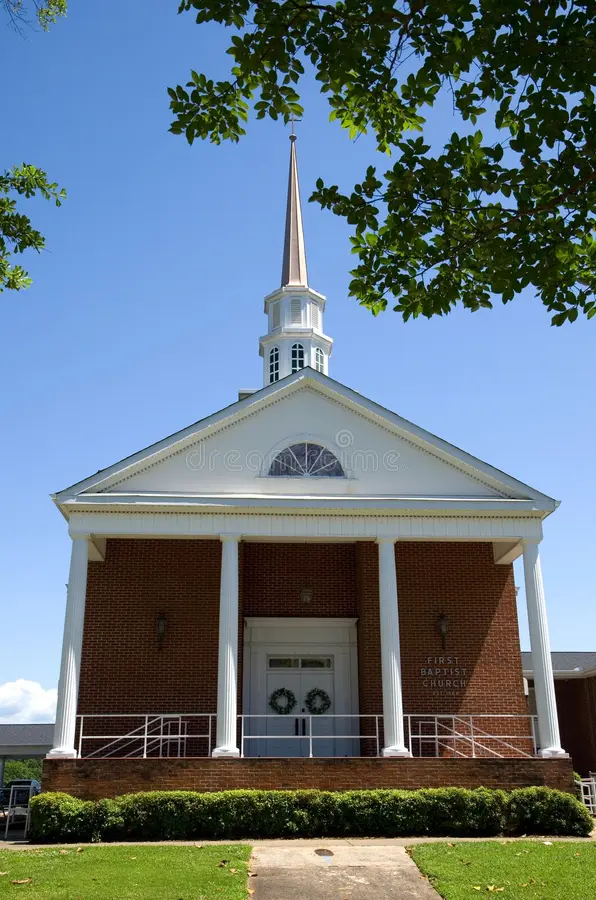
For example, Baptist ministers such as Basil Manly Sr. framed servant/master dynamics as morally and theologically acceptable. This aligned enslaved people’s obedience with Christian teaching.
In contrast, enslaved people embraced Biblical stories like the Exodus as sources of liberation. They organized secret worship gatherings called “hush harbors” where they combined Christian themes and traditional African worship to build hope and identity away from plantation eyes. These gatherings often sparked a theology of freedom rooted in collective spirit and resistance, despite efforts by slaveowners to suppress them.
In 1845, the Southern Baptist Convention formed after Baptists in northern churches refused to appoint slaveholding missionaries. Southern Baptists argued that slaveholders should retain access to church leadership.
After the Civil War, freed African Americans quickly established their own religious institutions, such as the African Methodist Episcopal (AME) and Black Baptist churches. In states like Alabama, the Black Belt region named for its dark, fertile soil, saw the emergence of robust Black church networks that became central to social, political, and spiritual life. Meanwhile, white Southern churches often upheld segregation and justifications for social inequality far into the Jim Crow era. The following various example stories were all embedded in faith.
African American enslaved people held secret worship services called “invisible institutions” in secluded cabins or dark woods to avoid white oversight. Former slave Mary Gladdy from Georgia recalled:
“It was customary to secretly gather in their cabins two or three nights each week and hold prayer and experience meetings.”
Similarly, Wash Wilson from Texas described singing “Steal Away to Jesus” as a signal among the enslaved about such gatherings. These meetings were both spiritual and communal lifelines, offering solace, community, and hope.
The stories of Moses and the Exodus also became powerful metaphors. Enslaved Christians found meaning in biblical themes of freedom and used spirituals to weave those stories into their daily experience. Slave preacher Sam Johnson learned to read secretly, trading tea for lessons, so he could read the Bible to others, even though literacy was forbidden.
Born in Africa and enslaved in New York, John Jea wrote a narrative in 1811 describing how white masters used Scriptures to demand obedience. However, Jea and fellow enslaved converts reinterpreted that same Bible to assert their divine worth and eventual freedom. He condemned hypocrisy and proclaimed that true Christian faith sided with justice, not subjugation, which at the time was pretty radical.
In 1831, enslaved preacher Nat Turner led a rebellion in Virginia, guided by prophetic visions he believed were divine messages. His followers called him, “The Prophet.“ Turner’s uprising was deeply rooted in Christian belief in liberation and divine judgment. His actions terrified Southern plantation owners and spurred harsher slave laws.
Caesar Blackwell was an enslaved African-American preacher in Alabama who drew mixed-race congregations. His mentor, white Baptist leader James McLemore, supported his ministry. Blackwell preached well into the 1830s, performing baptisms and drawing crowds that cut across racial lines during that highly segregated culture.
The Bible Belt’s legacy extends far beyond Sunday services. Today, we still witness religious texts called to justify different political positions, social policies, and visions of American identity. The same scriptures cited to defend immigrant detention are used by others to demand sanctuary cities. Faith drives both voter suppression efforts and voting rights campaigns.
The enslaved people who gathered in hush harbors understood something their oppressors missed: interpretation matters more than text. They knew the difference between religion as control and faith as liberation.
As debates over reproductive rights, LGBTQ+ protections, and racial justice continue splitting congregations, the question remains urgent: Are we using faith to build walls or tear them down? The Bible Belt’s history shows us both possibilities. The choice of which legacy to claim belongs to each generation.
What does your faith—or lack thereof—demand of you today?