



Audible’s The Prophecy Season Two launches at Harlem Parish, proving the future of Black storytelling sounds a lot like its past
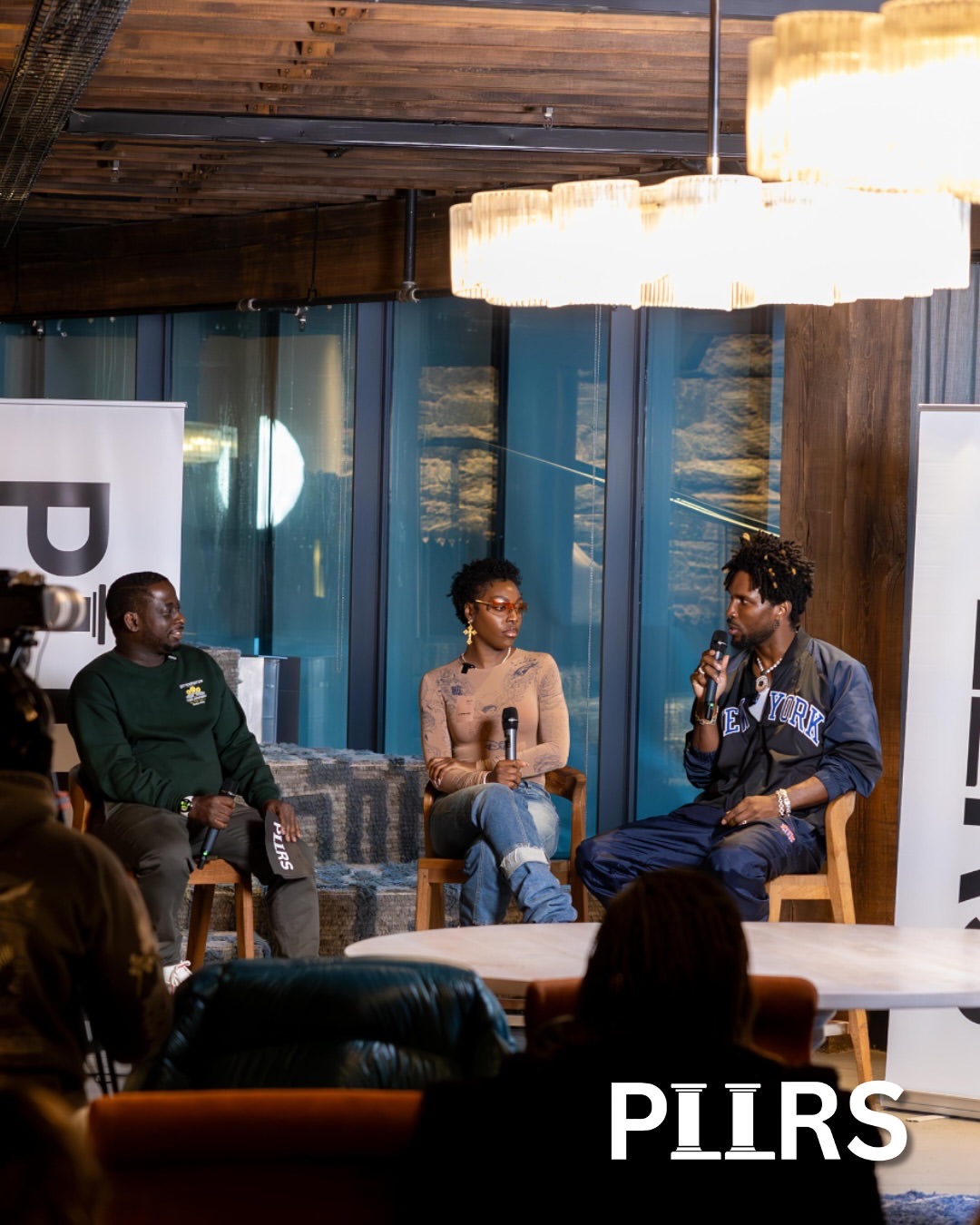
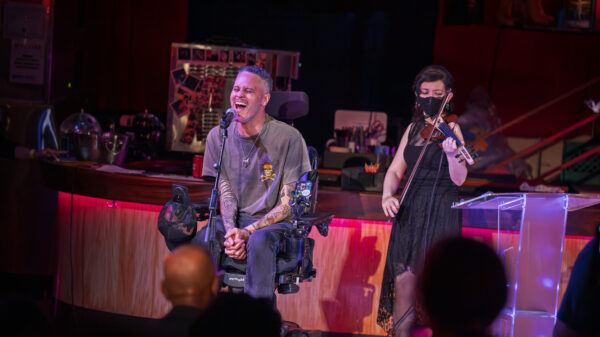
The Harlem Parish doesn’t need introduction. High ceilings that’ve absorbed decades of song, beautiful stained glass windows that’ve held space for prayers and worship. Tuesday night, the historic location held the launch of The Prophecy Season Two and the official opening of CultureCon week. This was more than an event—it was a homecoming.
Ahmaya Knoelle Higginson, co-founder of Vy Higginsen’s Sing Harlem Choir, said it best: “It’s so great to be performing here on our home turf. We’re in Harlem baby! We’re right here at the opening launch of Culture Con, The Prophecy, right here on 118th Street. It feels so fitting for Sing Harlem Choir to be here this evening.”

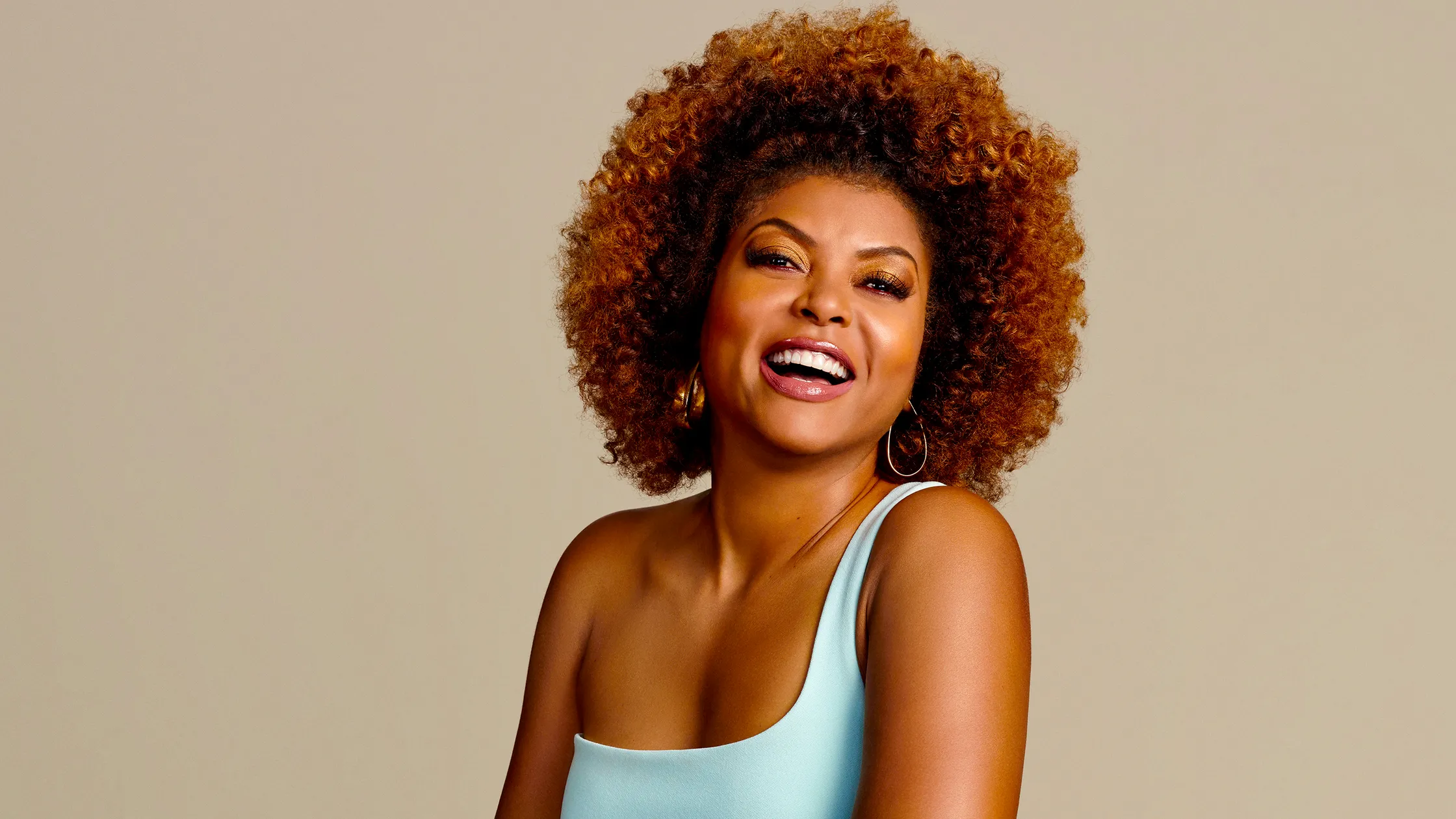
Home. That was the theme threading through every moment—actual ground where Black creative lineage was built, now holding its next evolution. Kerry Washington felt it too: “Somebody on my team was saying as we were walking out, it’s like they built this space for us, for this season, for this show.”
The show itself is a return to something older than streaming. Before television, radio demanded you to listen and feel. No visuals or closed captions to lean on. Just voice, sound, and the theater of your own imagination. The Prophecy operates in that tradition—pure human emotion poured through audio, raw performance and the listener’s mind doing the rest.
Randy McKinnon created the series during COVID with a question: what if biblical stories weren’t ancient history but prophecy unfolding in real time—plagues, chaos, uncertainty as present tense? Washington explained how the concept came full circle during season two when LA fires forced production shutdowns. Recording audio kept their team employed and the work moving when everything else burned.
Collaboration became the other undercurrent of the night. Washington gave her flowers clearly: “Our director this season, MALAKAI, who I am a fan for life. She’s stuck with me forever.”
MALAKAI, the experiential director of season two, returned the energy. “Working with the Audible team was a phenomenal experience. I’ve not met more down to earth, humble, sincere and authentic people,” she said. “Like every sense of opportunity was, I don’t know, it really changed my life in a lot of ways.”
She spoke on Randy with the same unfiltered respect: “I’ve met many creators of shows and IPs, but he is so down to earth and to be young, black and to be at this level where he’s at, he’s like one of my inspirations.” Black creatives building infrastructure designed to empower everyone involved— in real time.

Simpson Street Productions—the team behind Daughters and other cultural reset projects—are creating space where Black creatives control the narrative architecture. Whether it’s audio drama, documentary, or off-Broadway productions like Duke and Roya, they’re proving that innovation doesn’t mean chasing the next streaming war. Culture thrives off innovation that remembers where it came from.
Audible gave them the platform to do it again. Not just distribution, but actual infrastructure that prioritizes voice over spectacle, sound over screen, storytelling over algorithm. That partnership is what makes projects like The Prophecy possible—creatives keeping their vision intact while reaching the audience that needs to hear it.
CultureCon week opened with a thesis: the future of storytelling lives in the formats we never abandoned. What looks like innovation is actually return—to radio’s intimacy, to oral tradition, to the understanding that the most powerful stories happen in the space between what’s said and what’s heard.
Tell stories that make people stop everything and listen.
Stream The Prophecy Season Two now on Audible.