





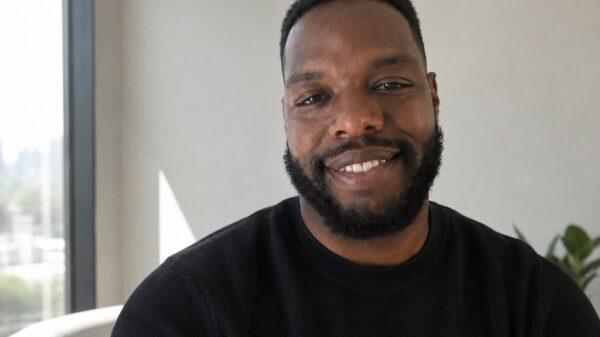


The Grammy-nominated artist and his manager pulled back the curtain on what building a lasting music career actually requires
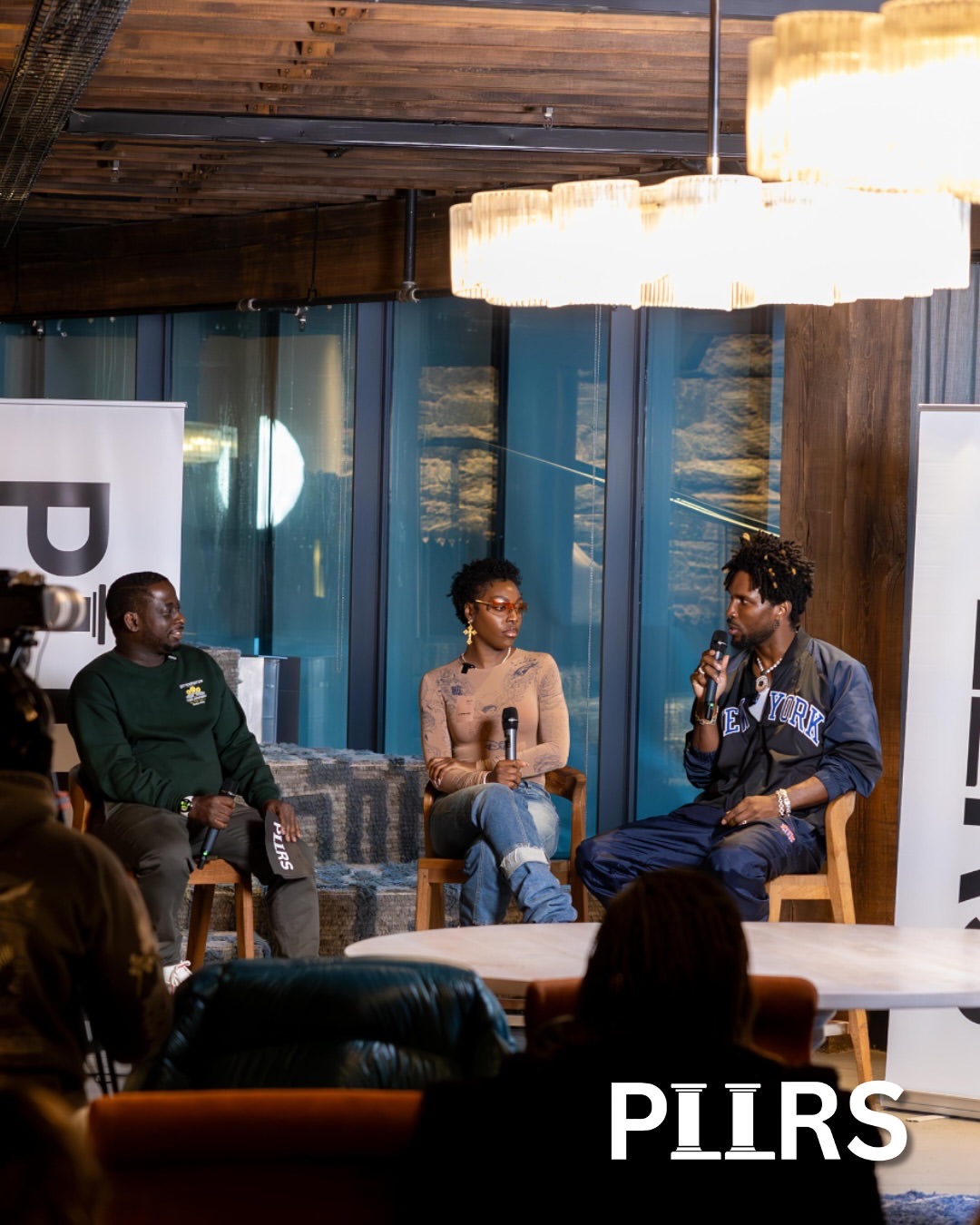
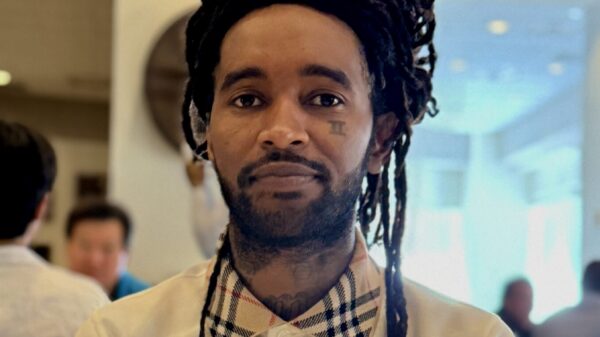
Success in music is less about music and more about the work ethic it takes to put an artist in position and build a fanbase. Grammy-nominated artist Wale made it clear he intends to continue to push the boundaries of his creativity AND be amongst the hardest working artists in the business. During an intimate conversation at Soho Works in Brooklyn, Little Engine Media hosted the fourth installment of PLLRS where Wale and manager Kazz Laidlaw peeled back the layers on what building a sustainable music career actually costs.
“There was a lot of isolation. I spent three or four Thanksgivings by myself. I spent a Christmas by myself. I’m just in the studio, or I’m writing at home and can’t travel. You have to be comfortable being dolo and losing people,” Wale revealed.

The admission cuts through the glamorous narrative that dominates social media feeds. While fans see sold-out shows and streaming numbers, Wale’s honesty reveals the psychological toll of choosing art over connection, ambition over comfort.
The conversation explored how much of a visionary Wale has been to not only DC but to the world of music. The Nigerian American artist doesn’t get credit for introducing America to one of the biggest artists on the planet, Wizkid. When asked about his new album, Wale didn’t spare many details but ensured the eager audience that it will be a fusion of art spanning from fresh Hip Hop to DC’s Go-Go sound to the newly developed “Diaspora Folk”.
Kazz Laidlaw shared, “Our company started because of him. I don’t think I’ve ever told him that. We used to work with an artist named Goldlink and a couple of people, 10 or 11 years ago. Wale is the entire city’s blueprint in rap.”
This revelation illustrates something often missing from music industry discussions—how one artist’s journey creates infrastructure that lifts an entire ecosystem. Wale became the foundation for EQT Recordings, the management company that now guides artists like Smino.

Laidlaw provided insight into the business machinery behind artistic growth, discussing potential footwear deals and streaming ventures. More importantly, he emphasized the “creative isolation that fuels sustainable growth for artists in today’s industry.” This isn’t about becoming a hermit—it’s about understanding that genuine artistic development requires stepping away from the noise of constant engagement and trend-chasing.
The evening, presented by Little Engine Media, created space for substantive conversations about success without the performative nature that typically defines industry events. Culture journalist Keith Nelson Jr. moderated the discussion, extracting the kind of honest insights that rarely surface in traditional interviews.
PLLRS has carved out a unique position by focusing on the often-invisible partnerships that drive cultural movements. The series plans to expand into podcast format, recognizing these insights deserve broader distribution. In an era where music industry content focuses on drama, streaming numbers, or viral moments, PLLRS offers something more valuable: honest examinations of what building lasting careers actually requires.

Wale’s conversation matters because it challenges the instant gratification narrative dominating discussions about music careers. The isolation he described is often a necessary feature for artists serious about longevity. While social media celebrates highlights, the real work happens in solitary moments of creation and strategic thinking.
In addition to complimentary candles by event sponsor Quit Your Day Job, attendees were offered something increasingly rare: authentic insight into what it actually takes to build something that lasts. The question isn’t whether you’re willing to work hard—it’s whether you’re prepared to work alone until your team finds you?
—