






The WNBA’s first vice president of broadcasting opens up about locked gym doors, Doris Burke, and the resistance she didn’t see coming.
Bobby Knight locked the doors.
Literally. The Hall of Fame coach, known as much for his temper as his championships, locked Teri Schindler and her camera crew out of the gym. She was there to produce his game.
“I said, ‘Everybody, take dinner, we’re going to wait here. He’s gotta take the locks off the door sometime.'”
He did. They set up. They were on air by 8 o’clock.
That moment tells you everything about what Schindler walked into — and walked through — for more than three decades in sports broadcasting. As a producer, she built systems, hired talent, and changed what viewers saw on their screens before most people knew her name.
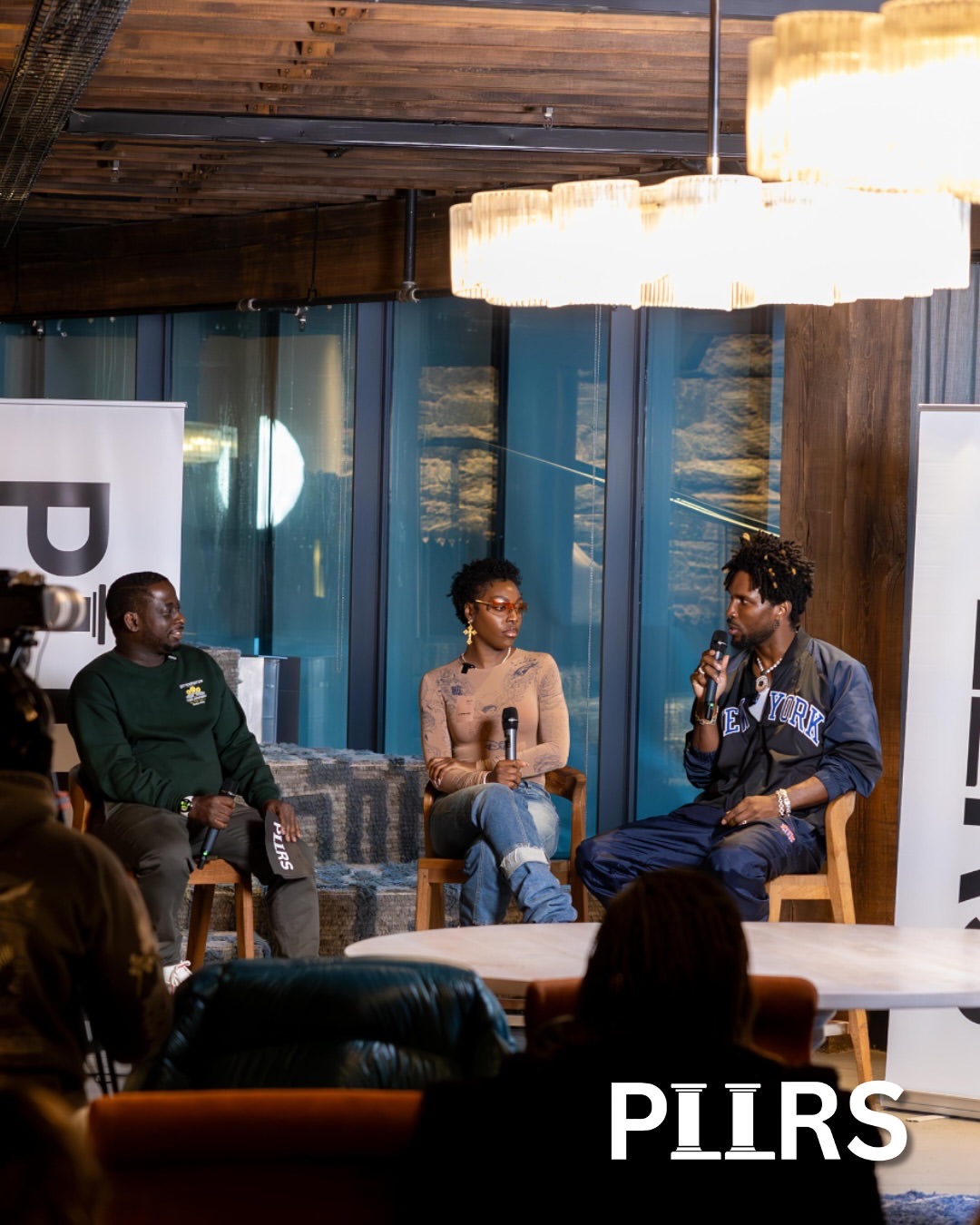
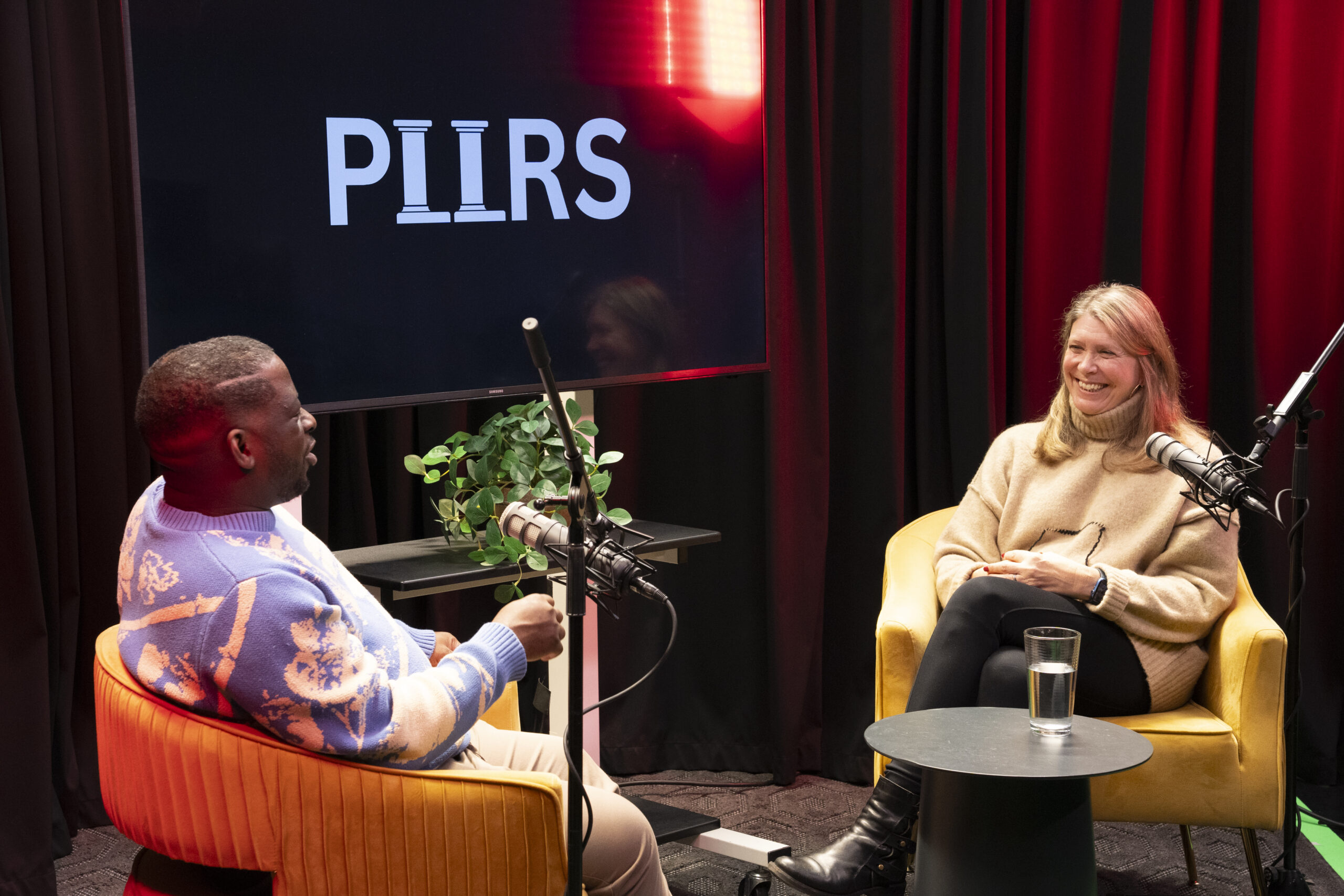
The Emmy Award-winning producer sat down with Keith Nelson Jr. for an episode of Won of One: A PLLRS Podcast to discuss the evolution of women in American sports.
She Was There Before It Was a Movement
Schindler is the WNBA’s first-ever vice president of broadcasting. She helped build the league’s television infrastructure from day one — when the logo was borrowed and the branding was an afterthought.
“That first logo for the WNBA? That was Jerry West [silhouette], who they put a ponytail on and gave breasts to in the beginning,” she told Nelson. “When I say you have to start from scratch, you literally have to start from scratch.”
Before Doris Burke became a household name in basketball broadcasting, she was a former player whose knowledge of the game sat on the sideline. The male broadcasters assigned to Big East games in 1996 didn’t know the players. Some didn’t bother learning the names.
Schindler went to Big East Commissioner Dave Gavitt with a different idea.
“There have to be some women who play ball who can be good at television,” she told him. “So, guess who put Doris Burke on the air? I did on the Big East package.”
She pushed ESPN to put female players on draft sets. The argument was direct: they know the game better than anyone. Why wouldn’t you put them in front of the camera? The answer, at the time, was mostly inertia. Schindler pushed past it.

The Viewership Problem Nobody Wanted to Say Out Loud
In 2002, Schindler told Multichannel News that female consumers are difficult to reach. Two decades later, on Won of One, she went further.
Sports conversation had not been cultural currency for women the same way it was for men. Women’s sports weren’t promoted in the spaces women actually occupied — grocery store circulars, for example. American audiences simply weren’t conditioned to watch women compete at that level.
But there was something else. A harder truth.
“There were some women who would say straight out, ‘You expect me to watch this. You’re saying I have to check this box,'” she said. “I actually just want you to watch it because I think it’s good.”
That pushback came from within. From women who felt the pressure of representation as obligation rather than choice. Schindler was trying to build an audience while navigating a resistance she didn’t fully anticipate.
What She Built, and What Followed
The WNBA is now a cultural force. Malika Andrews’ rise didn’t happen in a vacuum — it landed on infrastructure that people like Schindler spent decades building before there was an audience to appreciate it.
Schindler went on to co-found Herzog & Schindler, a brand innovation consultancy that counts the U.S. Department of Defense among its clients. The strategic thinking she brought to women’s sports television she now applies to institutional brand problems at scale.
Won of One is part of PLLRS, a live speaker series turned podcast platform built by Keith Nelson Jr., Reg Calixte, and Rose M. Mercado. The series focuses on the people behind cultural movements — the producers, executives, and architects whose names rarely lead the headline but whose decisions shape what the public sees and hears.
The full episode of Won of One: A PLLRS Podcast is available on Apple Podcasts, Spotify, Amazon Music, and iHeart. Watch Teri Schindler’s Won of One episode on the PLLRS YouTube channel.