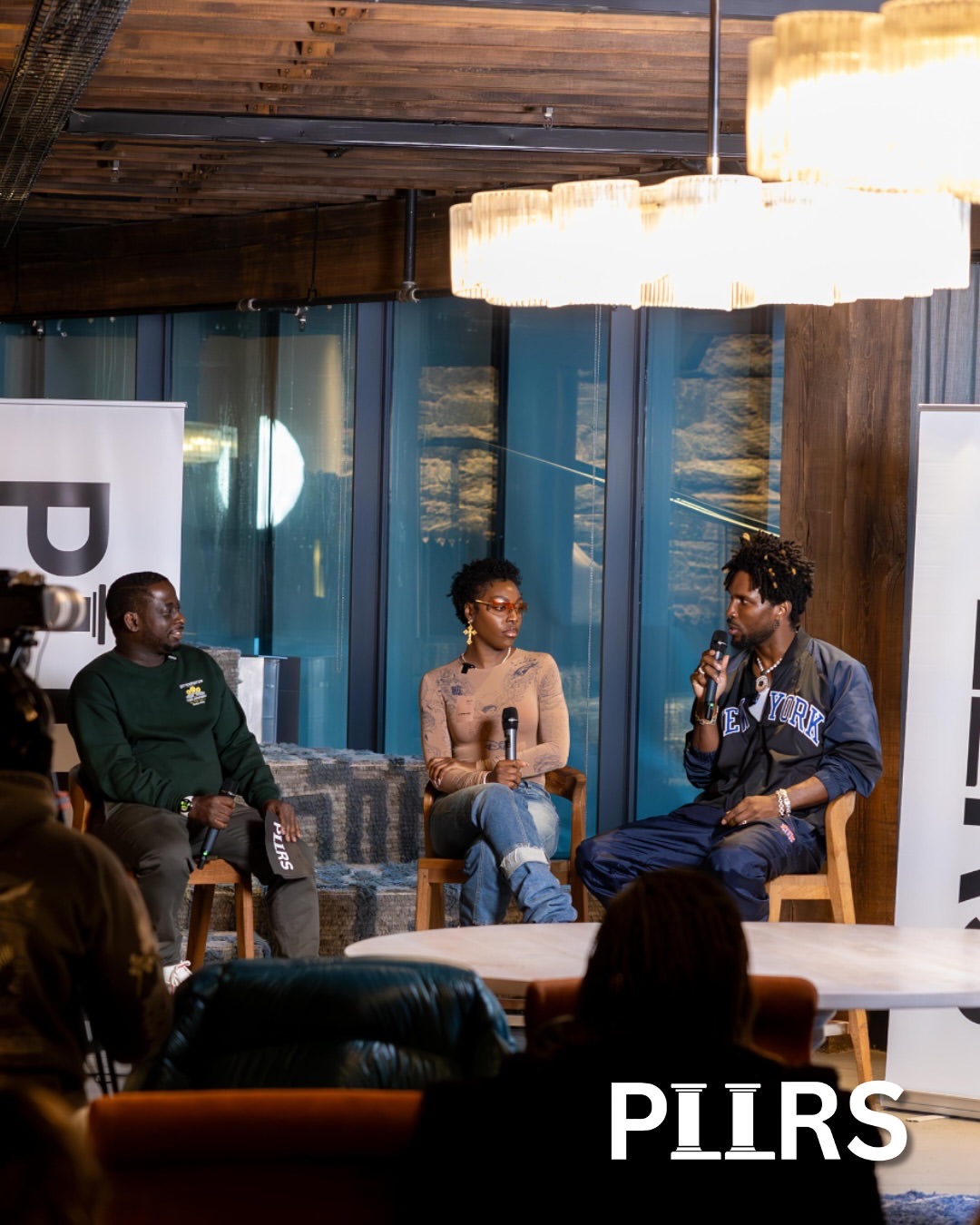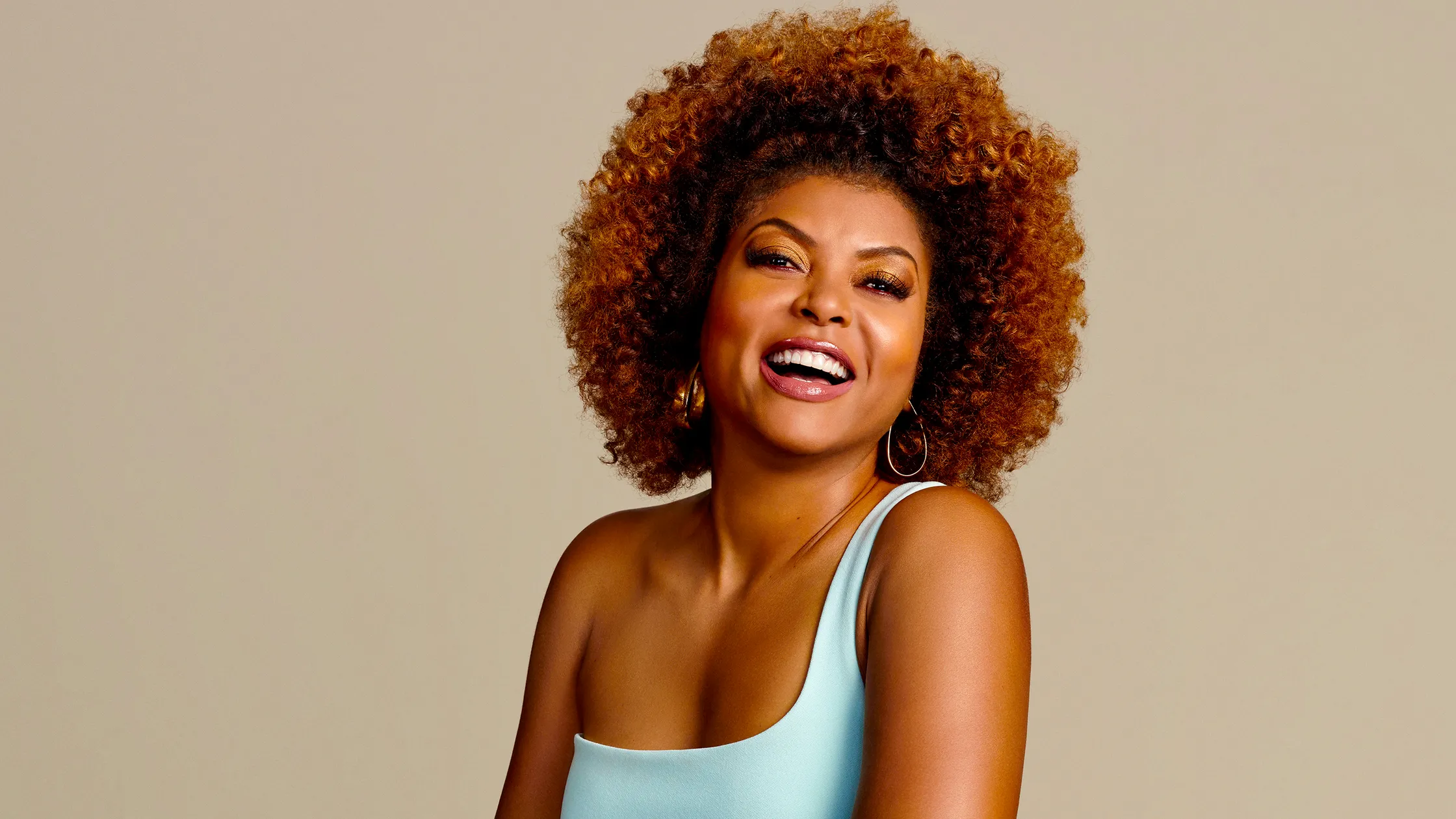



Newark’s arts director turned culture into civic infrastructure
Some leaders campaign for attention. Others buy their seats.
fayemi shakur was built—brick by brick—through movement work, media rooms, and Newark’s organizing trenches long before the title came.
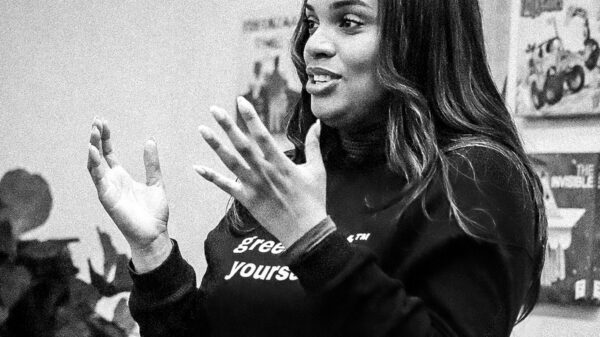
Her path from cultural organizer to Newark’s Director of Arts & Cultural Affairs reads like immersion therapy. She started as a writer—contributing to The Source, Vibe, and eventually The New York Times—documenting Black culture with precision. Writing ran parallel with organizing. She worked for years on the campaign to free Sundiata Acoli, former Black Panther and political prisoner, Assata Shakur’s co-defendant. She named her firstborn son after him.
“How do you go from there to working in government for the Mayor?” she asked during our conversation. “I don’t know, but every experience added on to the next experience.”
That accumulation carried her to the 2004 National Hip Hop Political Convention in Newark. She served as senior producer, organizing more than 100 issue-based workshops. The goal: move young people from commentary to civic action. Register youth voters. Build pathways from activism to elected office. Culture as organizing strategy.
From Movement to Municipal Power
When Mayor Ras Baraka hired her in January 2020, he made a structural decision. Arts and culture would function as civic infrastructure. shakur pushed for a Director title. She centered the arts community itself—working artists, working spaces, working ecosystems.
Five years later, the numbers speak clearly. A 2025 study by Bloomberg Associates and the City of Newark reports that 81% of residents believe Newark lives up to its “City of the Arts” reputation. Three-quarters say the arts scene has strengthened in five years. Arts and culture now rank as the city’s top strength. Newark’s arts media coverage per capita stands nearly four times higher than the next closest peer city.
shakur built that momentum by accelerating people into responsibility.
The Ocean Principle
“Everyone who helped me become the leader I am, threw me in the ocean,” shakur said.

“I’ve always worked with my elders.
And what I appreciate and learned from them is:
give young people a platform and a space to use their voice.”
– fayemi shakur
She’s talking about mentors like Zayid Mohammed and Sister Fredrica Bey—elders who recognized her voice and created the conditions for her to use it.
She remembers standing at a press conference for the “Hands Off Assata” campaign while pregnant with her first son. Her voice shook. Public speaking at that level was new territory. “That’s right. Take your time.” said Fredrica Bey, from her front row seat.
No rescue. No mic-grabbing. Just belief.
“I appreciate the people who see something in young people and give them an opportunity,” shakur said. “They may need guidance. They may need mentorship. But they become the leaders we need.”
That principle shapes how she builds.
When she partnered with Adolfo Wilson and Anthony Smith to launch the Lincoln Park Music Festival, she had never organized a festival at that scale. The assignment was clear: reclaim a public space overwhelmed by open drug sales and visible neglect. Use music as intervention.
Now Lincoln Park looks like Newark at its best—families, elders, teenagers, strollers, lawn chairs. The city gathers in one place without tension.
This is what happens when someone throws you into the ocean and walks away. You figure it out.
Beauty is the Mission
For shakur, public art carries civic weight. It documents who we are and who we choose to honor.
She works with Rebecca Jampol, co-director of Project for Empty Space, to commission murals and installations rooted in Newark’s history. A recent mural on Central Avenue features archival images of Newark’s men—sanitation workers, regulars at the Mayor’s Men’s Meetings, laborers whose work sustains the city every day. Artist Danielle Scott collaborated with city historian and photographer Chrys Davis to build a collage that centers their presence.
“We tell artists what our mission is and what we value in their practice,” shakur said. “They deliver.”
The process respects authorship. The city sets the framework. The artist shapes the story.
“Beauty is the mission,” she said.
Public art shifts atmosphere. It changes how a block feels at dusk. It signals care. It tells residents: you matter. This art is made in your image.
The Business of Being an Artist
Art runs on talent. It survives on structure.
shakur speaks plainly about what artists need: skill beyond the canvas.
“Learn how to write a proposal,” she told me. “Learn how to create a budget from start to finish. Include your labor fee.”
Creatives often leave money on the table.
Artists generate revenue. They drive tourism. They activate public space. They build memory and mood. Their labor holds economic weight.
Understanding your value requires documentation. A CV that tracks exhibitions, residencies, commissions, press. A bio that reflects trajectory. A portfolio that shows consistency. When funding opportunities open, that paper trail carries leverage.
“I think you have to start with understanding your value,” she said. “Not inflating it. Just understanding it.”
Clarity beats ego. Precision beats hype.
And in Newark, the funding exists.
The Creative Catalyst Fund
In 2020, Newark had no municipal arts grant program.
Six years later, the Creative Catalyst Fund has distributed more than 650 grants totaling over $4 million to artists and cultural organizations across the city.

“I was really glad that the mayor said
that he wanted to start an art grant. And I
said, say no more. I got it.”
– fayemi shakur
The fund supports individual artists, collectives, and institutions. Emerging artists qualify if they can demonstrate at least one to two years of consistent practice. The evaluation centers on trajectory and work quality, not grant-writing fluency.
“We created the Creative Catalyst Fund to be flexible,” shakur said. “We look at the work. We look at the trajectory.”
Annual Accountability
Each year, the program requires reauthorization. That means proof.
shakur produces an annual Arts and Culture Report detailing:
- – Number of residents served
- – Number of funded organizations
- – Program outcomes
- – Public engagement metrics
The data builds political leverage. Participation is measurable. According to the city’s 2025 arts study, 69% of residents attended at least one arts event in Newark last year. Fifty-one percent increased their participation over the past five years.
Arts and culture now rank as Newark’s highest-rated civic strength.
The Creative Catalyst Fund functions as more than a grant program. It operates as economic development infrastructure—injecting capital directly into working artists who, in turn, program neighborhoods, hire crews, rent venues, and circulate dollars locally.
“Now I want them to say, ‘Let’s make this grant permanent,’” shakur said. “But you have to build first.”
A City of the Arts
shakur keeps a low profile. She works behind the scenes. Projects appear across the city—murals, festivals, grants, partnerships—and many residents never connect them back to her office.
The impact shows up in the numbers.
Sixty-nine percent of Newark residents attended at least one arts event last year. More than half increased their participation over the past five years. Eighty-one percent believe the city lives up to its “City of the Arts” reputation.
That shift came through programming. Through grants. Through public art. Through consistent investment in working artists.
Newark’s arts ecosystem now runs year-round. Lincoln Park fills with music. Central Avenue carries history on its walls. Independent artists access municipal funding. Cultural spaces collaborate instead of compete.
shakur continues mentoring. Continues creating space. Continues handing real responsibility to younger organizers.
“No artist in Newark should ever feel isolated because there is space and there are people to talk to,” she said. “Don’t be afraid to send that email and ask questions.”
This is the art of leadership.
You identify talent early. You give it structure. You provide resources. Then you step back and let it build something larger than you.
Newark’s arts revival is measurable.
The next generation of leaders are already ocean .
They’re swimming.
Learn more about the Creative Catalyst Fund here.