








The Harlem MC who ushered in a new style
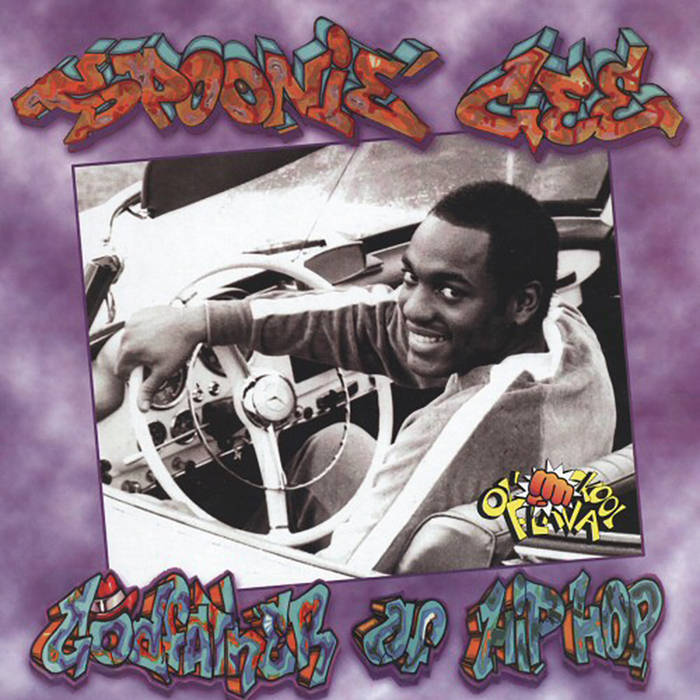
Hip-Hop is a movement built on creativity, resistance and the ability to turn everyday life into art. Since the 1970s, it has produced visionaries who changed the way people make music, tell stories and claim their own identity. In this installment of Hidden Figures in Black Music, we’re giving The Godfather of Rap, Spoonie Gee, his flowers.
Long before romantic rap was a lane, Spoonie Gee was widening what an MC was allowed to talk about. His conversational delivery. His storytelling and willingness to rap about love instead of lyrical supremacy. That combination opened a road generations of artists would later walk down.
Black musicians have shaped jazz, R&B, rock and roll, gospel and Hip-Hop for generations while fighting racism, shut doors and an industry that didn’t always bother to preserve their stories. Spoonie Gee is one of the names that got left out of that record. Here’s the correction.
He was born Gabriel Jackson in Harlem on May 27, 1963. His mother died when he was a teenager, and he was taken in by his uncle, Bobby Robinson, who ran Bobby’s Happy House record shop on 125th Street and owned Enjoy Records, a label that would go on to release some of the earliest Hip-Hop ever put to wax. As a kid, Spoonie reportedly wouldn’t eat with anything but a spoon. The name stuck.
In 1979, at Peter Brown’s Sound of New York USA, he cut his first record, “Spoonin’ Rap.” The record put him on the map as an early rap artist. It also introduced the rap world to a new style. Spoonie was rapping about love, romance and relationships at a moment when most recorded rap was built around parties, boasting and pure lyrical flex.
In the early days of Hip-Hop, that’s a real distinction.
Spoonie was beginning to show that an MC could do more than energize a crowd. An MC could talk directly to people. He could flirt, tell stories, reveal personality, and create a relationship with the listener. That approach became foundational.
Spoonie was also a founding member of the Treacherous Three, alongside Kool Moe Dee and L.A. Sunshine, with DJ Easy Lee on the turntables. In 1980, the group recorded “The New Rap Language” for his uncle’s label, a record now credited with introducing an early form of speed rap. Eventually Spoonie left the group. Kool Moe Dee brought in Special K to replace him, and the 1980 record still went out billed Spoonie Gee and the Treacherous Three, backed with his own “Love Rap.”
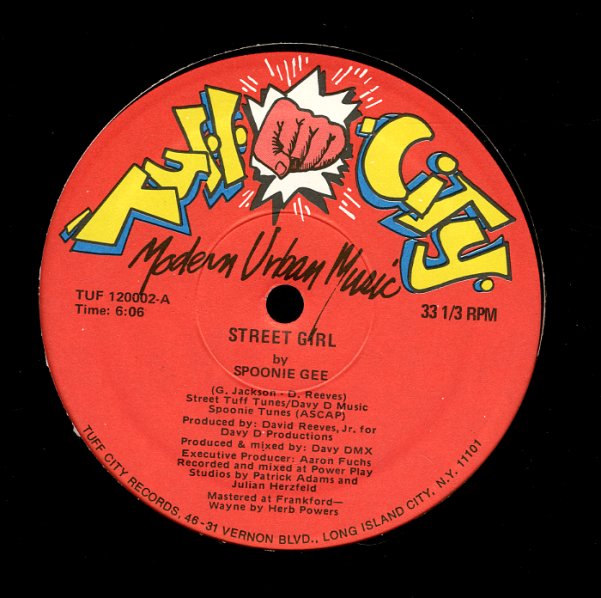
Through the 1980s, Spoonie recorded for Sugar Hill Records and Tuff City Records. He also worked at a rehabilitation center serving people with learning disabilities. In 1987, he dropped his debut album, “The Godfather of Rap,” produced by Marley Marl and a 20-year-old Teddy Riley, two names that would go on to define Hip-Hop and new jack swing production for the next decade. Spoonie’s career had real momentum. Then his life took a different turn.
Spoonie Gee did time from 1994 to 1998. He was direct about it years later, telling the outlet Unkut: “Most of the nineties, I was in prison. From ’94-’98 I was in prison.” He returned to prison in 2003 on a gun-possession conviction and stayed until 2006. The timing was brutal for an artist from Hip-Hop’s first generation. While he was gone, the culture transformed. West Coast gangsta rap became a commercial juggernaut, East Coast hardcore Hip-Hop built its own dominant sound, and a new generation of rappers went global. They recorded albums, toured, built audiences and built legacies during the exact years Spoonie couldn’t participate.
Talent alone doesn’t guarantee longevity. Spoonie had the skill, the connections and the culture-shaping résumé. His personal struggle and incarceration took a bite out of a career that had been present near the beginning of recorded Hip-Hop.
But he wasn’t done. In a 2005 interview with Davey D, Spoonie said flatly: “If I come back my style would change. I’m not comin’ back talking about me or no girls. It will be glorifying God.” He also talked about wanting to help younger artists understand the music business. Spoonie Gee was not simply looking backward at what he had accomplished. He was thinking about what he could give to the generation coming behind him.
In 2008, he came back with the EP “The Boss Is Back,” on New Sound of Harlem.
His influence can be heard across generations of Hip-Hop. LL Cool J, Rakim, KRS-One and the Notorious B.I.G. have all been tied to the style and tradition Spoonie helped develop.
But perhaps the best explanation of his importance came from Kool Moe Dee, who compared Spoonie Gee’s place in Hip-Hop to the romantic presence of Barry White and Teddy Pendergrass in R&B. Spoonie Gee helped create the Hip-Hop “Ladies’ Man” persona. His romantic, flirtatious, conversational lyrics offered something different from the party rhymes and braggadocious performances that dominated much of early rap.
Today, a rapper moving between toughness, vulnerability, romance, storytelling, humor, and conversation may seem completely normal. In Hip-Hop’s earliest years, somebody had to demonstrate that those possibilities existed.
His importance cannot be measured only by record sales or commercial fame. Sometimes an artist’s greatest contribution is creating an idea that somebody else carries further.
He never stopped reaching for it. In 2014 he was back in the studio with Marley Marl, calling it one more shot. News 12 covered his return the following year. And as the country marks 250 years of Black voices in America, his story is a reminder that music history doesn’t only get written by the artists who become household names. It’s also built by the innovators who create the language, styles, ideas, and possibilities that later generations inherit.
Spoonie Gee may not have achieved the commercial success of many artists who followed him, but his fingerprints remain on the culture.
Sometimes the person who helps open the door is not the person history remembers walking through it.
Listen to Spoonie Gee’s debut record “Spoonin’ Rap” here.
Hidden Figures in Black Music is a recurring column by Perry Thompson for West Ward Beans.