



How a hip hop legend and his partner are building wellness infrastructure for a community in crisis
PLLRS Conversation Series | December 2025
The obituaries keep coming. Big Pun at 28. J Dilla at 32. Heavy D at 44. Phife Dawg at 45. Biz Markie. Prince Markie Dee. Black Rob. Trugoy the Dove. DJ Kay Slay. And just this month, D’Angelo—gone at 51 after a prolonged battle with cancer. The culture that raised a generation is losing its architects to heart disease, diabetes, strokes, and cancer. Bodies giving out decades before they should. Hip hop has always celebrated survival, but lately it feels like we’re attending too many homegoings for people who should still be here. Against this backdrop, Styles P’s pivot from bars to beets isn’t just business strategy. It’s intervention.
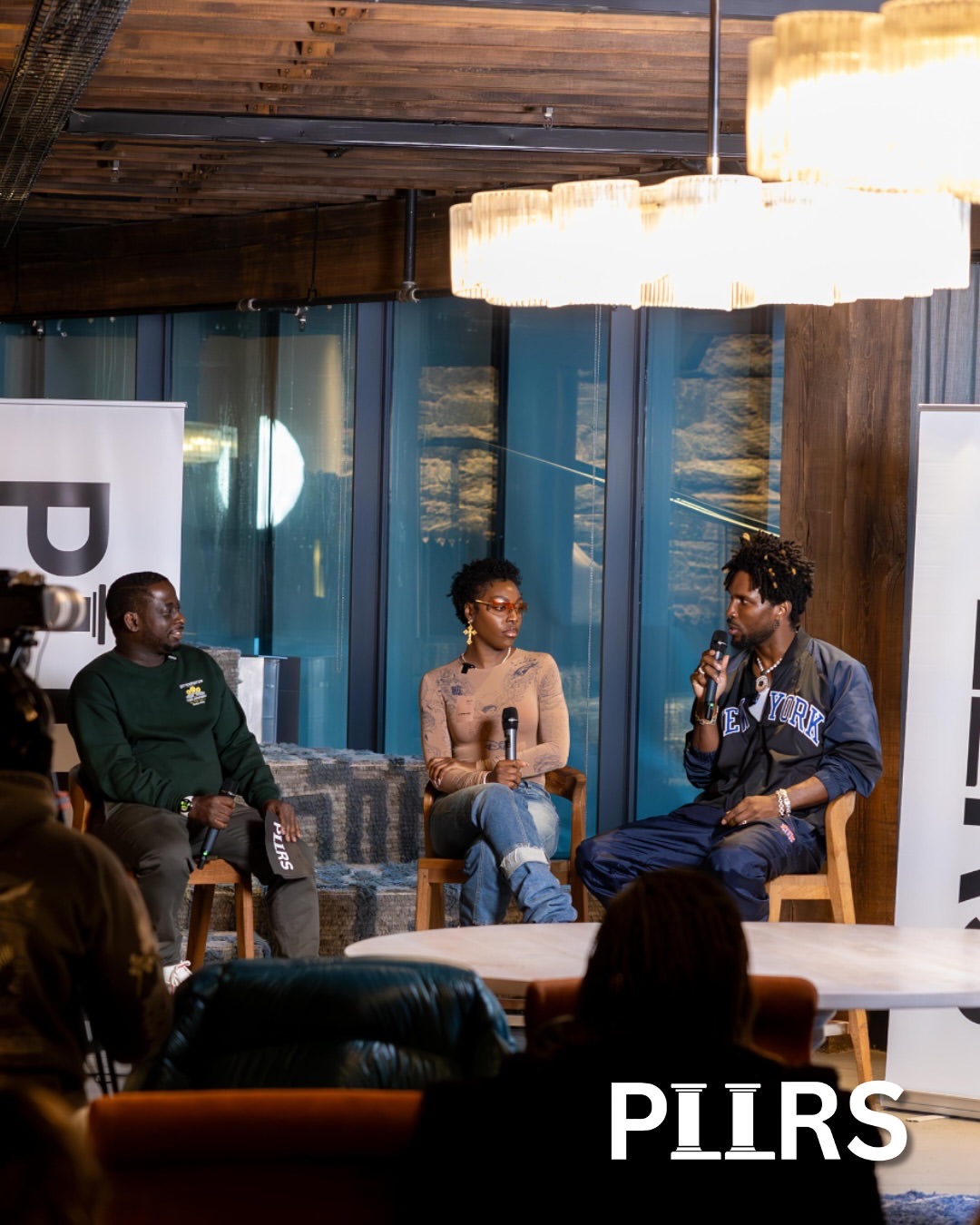
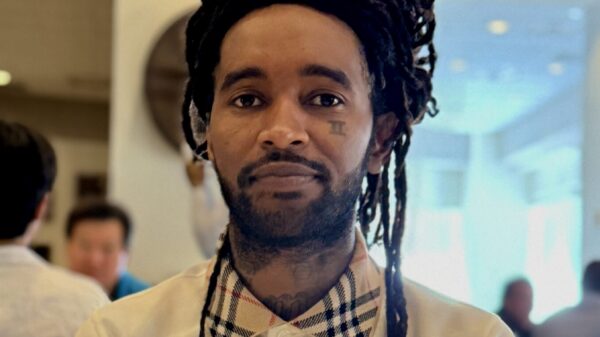
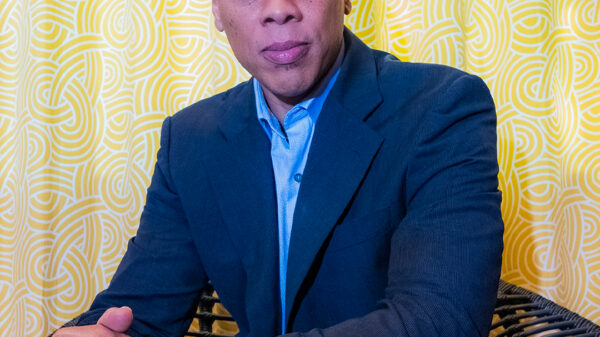
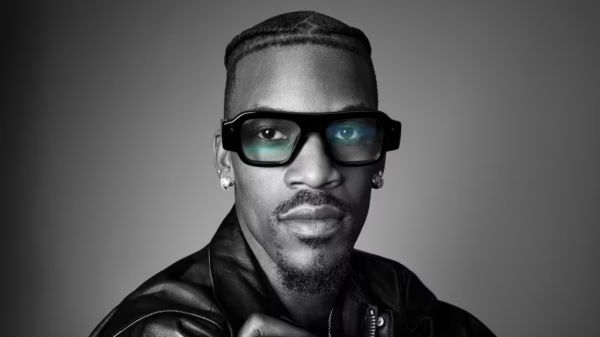
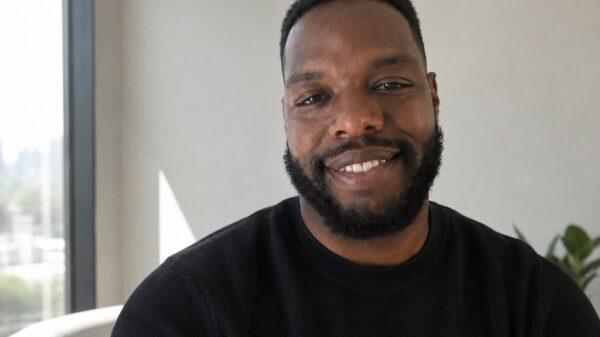
At a recent PLLRS gathering inside Soho Works, the Yonkers-bred MC sat alongside his longtime partner Daniel Dapaah to discuss what happens when purpose becomes the business model. PLLRS—an exclusive speaker series exploring the untold stories of success—exists precisely for conversations like this one. Acclaimed culture journalist Keith Nelson Jr. guided the discussion beyond polished media narratives and dives into mechanics of how things actually get built.

Dapaah’s journey with Styles began in 1999 as an intern at Ruff Ryders. He’s since evolved into something that defies traditional titles. “I don’t want to put him in a box for what his capabilities are because he’s doing more than managing,” Styles explained. “He’s my brother, my business partner that’s doing a managerial role.” That distinction matters. The empire they’ve constructed—Juices for Life, Farmacy for Life, Strains for Life, and the nonprofit Farma Cares, which focuses on bringing health, nutrition, and plant-based education to underserved communities—runs on shared vision: the mission comes first.
The numbers tell a devastating story. People of color lead the nation in heart attacks, diabetes, blood pressure complications, and prenatal issues. When COVID arrived—a pathogen that couldn’t identify race—it still hit Black communities hardest. Styles sees these statistics as evidence of a war most people aren’t paying attention to. “This health thing isn’t just, I wanna be healthy. I want to feel good,” he said. “No, this is something generational that we have to do for each other to hold each other accountable.”

Their business model inverts conventional retail logic. Police officers, firefighters, and EMTs drink free at Juices for Life locations. When someone walks in without money, they find a way to feed them anyway. “I may have lost on that drink,” Styles acknowledged. “But now he feels personable with me. Now he knows I care about him. Now he knows I’m not just about his dollar.” They’ve expanded from one location to five using this approach, proving that generosity compounds in ways that pure commerce cannot.
When asked about his first real win as manager, Dapaah didn’t mention a check or a deal. He pointed to the Good Times 2.0 concert—a celebration of Styles’ cult classic Good Times’ 20th anniversary. “His whole sentiment was like, now we got to do shit ourselves,” Dapaah recalled. “He was adamant about, nah, you can’t depend on anybody. It’s us pulling resources. Let’s get it done.” They sold it out. Lines wrapped around the corner. That self-sufficiency became the blueprint for everything that followed.

Looking ahead, the pair is focused on data and direct-to-consumer infrastructure. “We’re focusing on growing Styles P the brand,” Dapaah explained, “and then finding out who’s who, what’s what, where his super fans are so we can go direct to consumer. Cutting out the middle man, getting straight to it.” There’s also an AI-driven curriculum for schools being developed through their nonprofit—education meeting technology meeting community investment.
When the conversation turned to hip hop’s absence from the Billboard charts this year, Styles drew a sharp distinction that reframed the entire premise. “I think that hit a reset button for rap. Not hip hop,” he clarified. “Hip hop is something you live and breathe every single day. Hip hop is the way I walk, talk, eat, sleep, hang with my homeboy. Rap is worrying about what’s on the charts.” He paused. “Hip hop is lived. Rap is done.”
Fifty-one years old now, Styles has stopped chasing legacy in the conventional sense. “I’ve done enough for myself and my legacy to be solidified,” he said without a trace of bravado. “The important part is, how do we keep feeding, fixing, and healing our people?” That question has become the organizing principle for everything he and Dapaah build together.

Then Styles asked the question that was reminiscent of Marcus Garvey or Malcom X, “How can we create more messengers”?
For every Phife Dawg mourned publicly, there are thousands of fathers, mothers, brothers, and aunts that experience the same preventable loss without the media coverage. Styles and Dapaah are building infrastructure for them — the ones who’ll never trend on Twitter but whose empty chairs at Thanksgiving tables tell the same story. In a community that keeps burying its people too soon, that work might matter more than any verse ever could.
To support Styles and Daniel’s mission, visit Farma Cares and contribute to the work of feeding and healing communities across the country.
And for more conversations like this one, tune into Won of One: A PLLRS Podcast—intimate sit-downs with the builders, architects, and changemakers whose stories rarely make headlines but shape legacies. Available wherever you listen.