
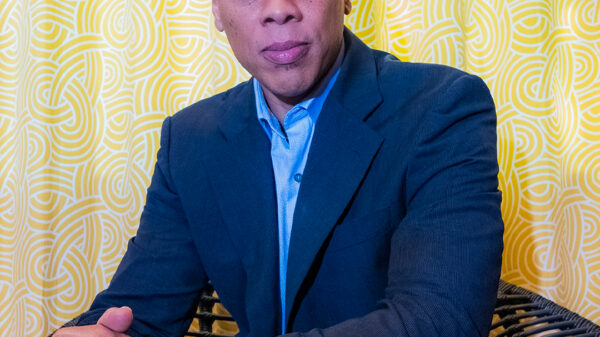







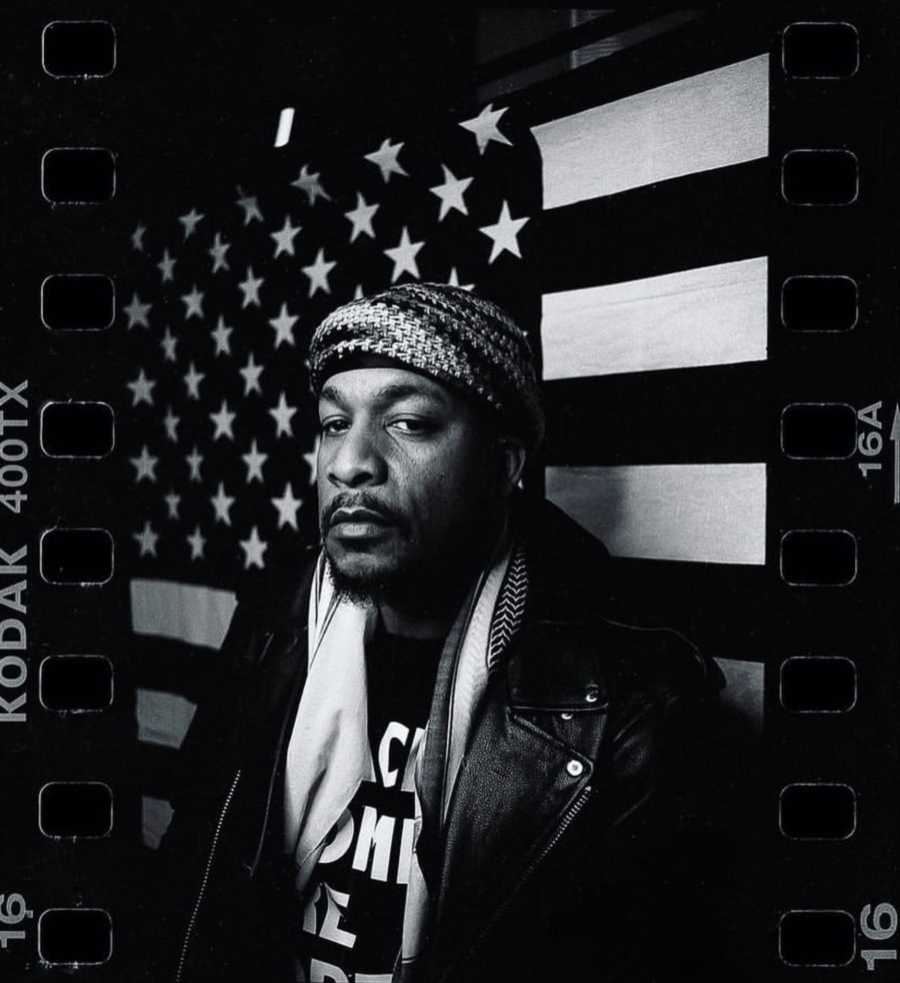
Akintola Hanif has spent more than 20 years telling stories about communities that are often misunderstood. He launched HYCIDE as a magazine covering subculture, art and conflict, then built it into a media platform focused on Black and Brown creativity and what he calls stories of survival and freedom. The work now has a physical home in Newark. HYCIDE XPANSE, Hanif’s arts programming center, gallery and production hub on Halsey Street, offers classes in photography, video, documentary filmmaking, and yoga and meditation, with journalism coming next. On Hanif spoke with West Ward Beans about what HYCIDE is, why storytelling alone wasn’t enough and what $50,000 would make possible.
Many people know you through HYCIDE. What is HYCIDE, who does it serve, and what is its mission?
HYCIDE started out as a media platform, and more specifically, HYCIDE Magazine, highlighting subculture, art and conflict. Now it’s grown into a media platform addressing all things true, creative, innovative, Black, Brown and everything in between. HYCIDE comes from the following origin:
HYCIDE \high-side\ Origin: Hy, derived from Hebrew “Hyram” for “noble” or “exalted.” – Cide, from Latin “cida,” for “killer, killing.” 1: Noble Killing. 2: The act of killing or negating elitist ideals to create empathy and understanding for the disenfranchised or dispossessed.
The original mission of HYCIDE was, and is, stories of survival and freedom, and many things fit under those umbrellas. As far as who it serves, it serves anybody curious enough to want the truth, the unadulterated truth about who we are as a people, and how ingenious we are and can be in the fields of art, culture and storytelling.
HYCIDE has spent years telling stories of survival, freedom and communities that are often misunderstood. What do you believe those stories can make possible?
Understanding and empathy. That’s really the core of it. When you actually see someone, past what people assume about them, it becomes a lot harder to write them off. My work is about uncovering the true identities of people, often beyond what they see in themselves, so the story does the work that arguing never does. It’s harder to be indifferent to someone’s survival once you’ve actually looked at it up close.
HYCIDE has existed in different forms over the years. What did you come to understand about the work that led you to build it as a nonprofit?
The magazine and the content could tell people’s stories, but at some point I realized telling the story isn’t enough. Once XPANSE became a real space, with real classes and curious young people showing up wanting to learn, I understood that the work needed actual infrastructure behind it, not just a magazine or gallery budget holding everything up. A nonprofit will give us the ability to build and scale that: to pay instructors, get equipment into the hands of students who don’t already have it, and make the work sustainable, instead of it all resting on me alone.
HYCIDE’s work extends beyond storytelling into programming, arts education and wellness. What does the mission look like in practice, and how are people experiencing the work?
In practice, it looks like HYCIDE XPANSE, our arts programming center, gallery and production hub. That’s where the mission actually happens on the ground. We offer classes in photography, video and documentary filmmaking, alongside yoga and meditation, because I believe people need to be still and step away from the noise before they can create anything true. Journalism is the next class we’ll be introducing. It’s hands-on: People come through and learn the same tools that helped me build a career out of my passions, so they can do the same with theirs.
If $50,000 were invested in HYCIDE tomorrow, what would you do with it, and what would it make possible?
It would go toward three things. First, paying instructors, so we can ensure we have the best of the best instilling their knowledge and skills in the students while being compensated fairly. Second, equipment, so students who don’t already own a camera or a laptop aren’t shut out before they even start. And third, taking the classes beyond XPANSE’s walls and into libraries and schools, so young people who might never otherwise walk through our doors still get access. The mission only works if the tools aren’t locked behind who can already afford or access them.
What’s next for HYCIDE
- “The Other Side of Fear Is Freedom” opens Friday, Oct. 9, from 6 to 9 p.m. at HYCIDE XPANSE. The retrospective brings more than 20 years of Hanif’s work together in one space for the first time. RSVP here.
- The HYCIDE Foundation, HYCIDE’s new nonprofit arm, officially launches at the exhibition.
- Fall classes at XPANSE in photography, video, documentary filmmaking, and yoga and meditation run October through November. Details will be posted at hycide.com and on Instagram at @hycide and @hycide_xpanse.