









MATR3ARC’s Ase Wave filled Natty Garden with art, sound and wine to fund film education for emerging storytellers
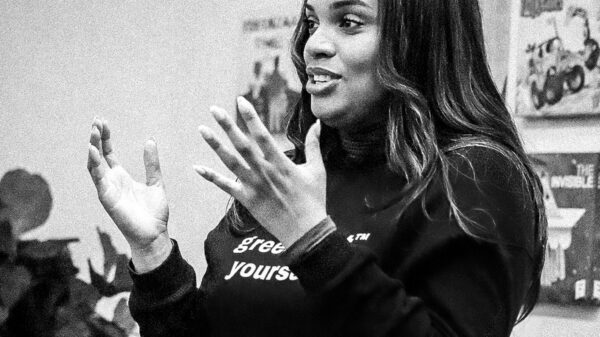
The cold had already settled in when event host Christopher Griffin, the Brooklyn plant educator known as Plant Kween, pointed out that some of the plants around us were built for exactly this weather. “How symbolic, right, for us to gather as the seasons are changing,” Griffin said.
Griffin saw more in the timing than the weather. “These larger systems are not set up for certain folks to survive, and to thrive,” Griffin said. “We are intentionally creating space for our people to gather, to reflect, to witness art in the making.”
On Oct. 17, Natty Garden in Prospect Heights, Brooklyn, became a gallery, a listening room and a fundraiser at once. Ase Wave: Peace 2 Power marked the official launch of the creative studio MATR3ARC and the first in its planned series of cultural activations. It raised money for Made In Her Image and The Open Lens, the youth creative education platform that works alongside it.
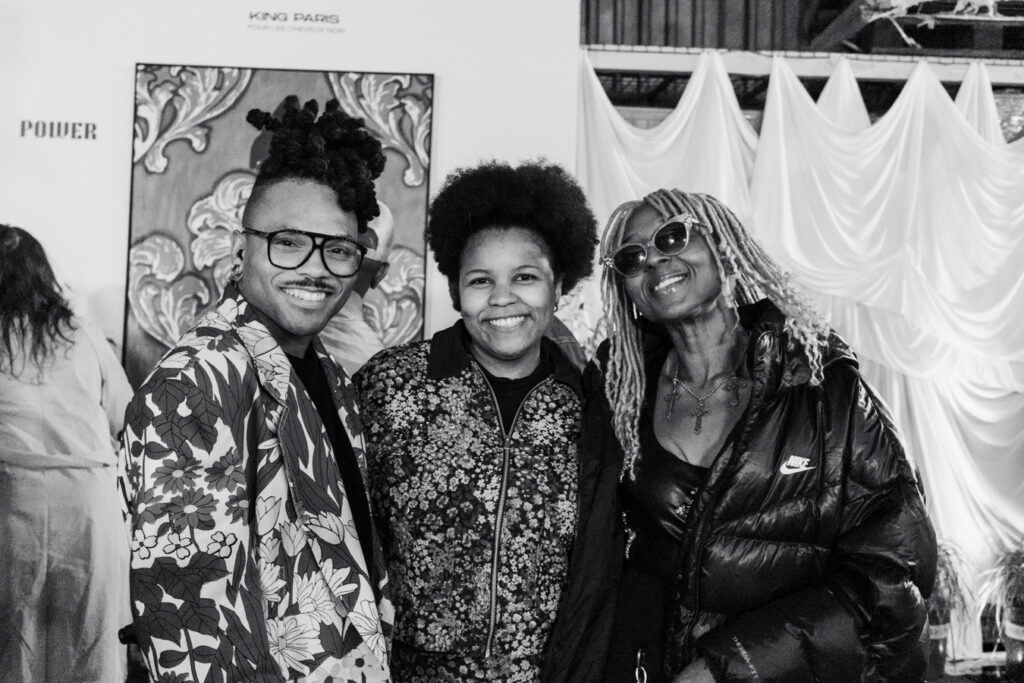
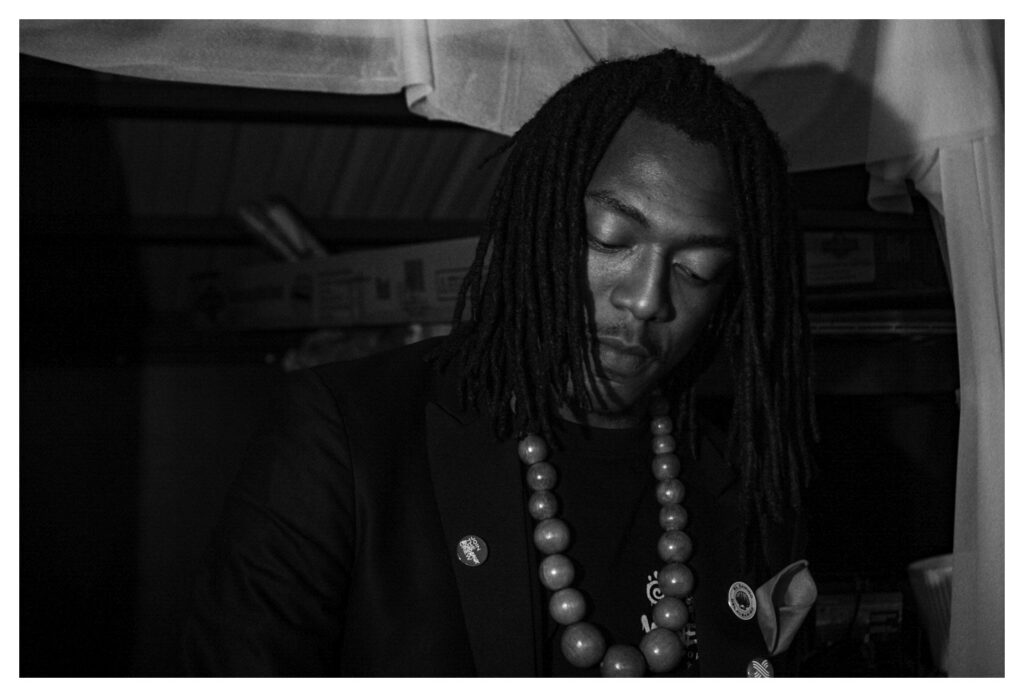
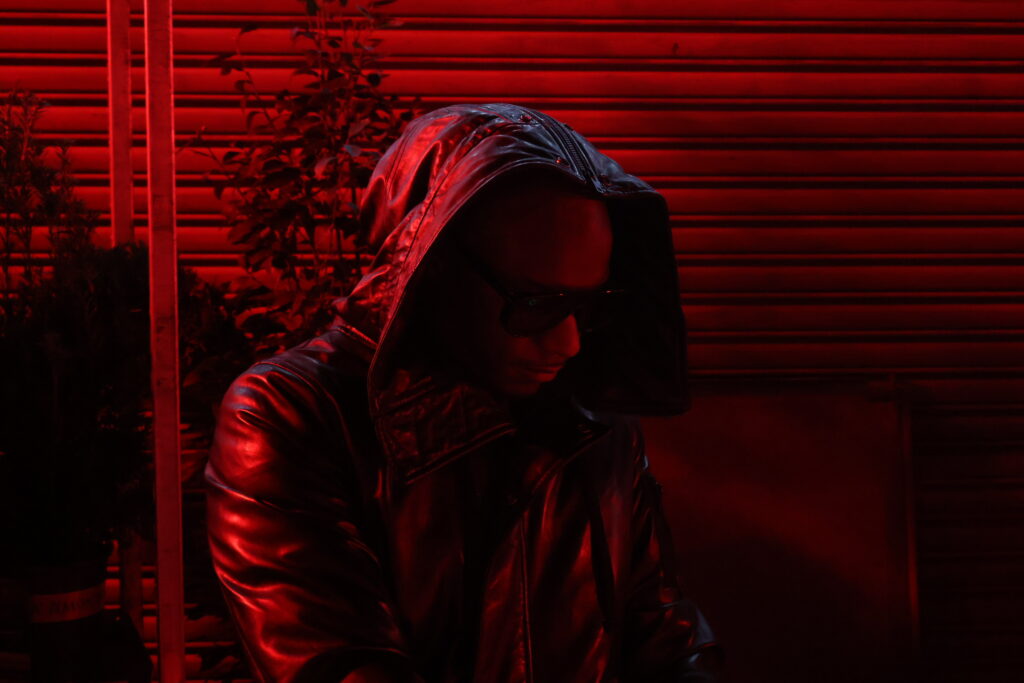
Malakai J – photo by Tony Blue Plata
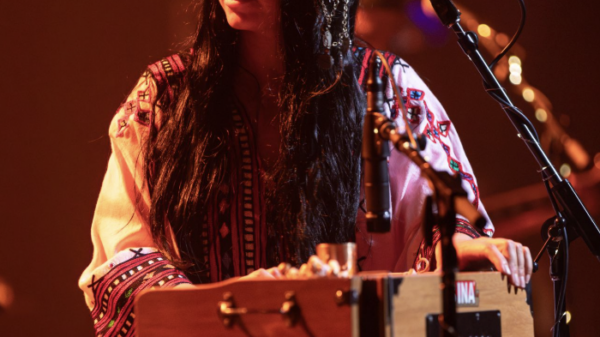
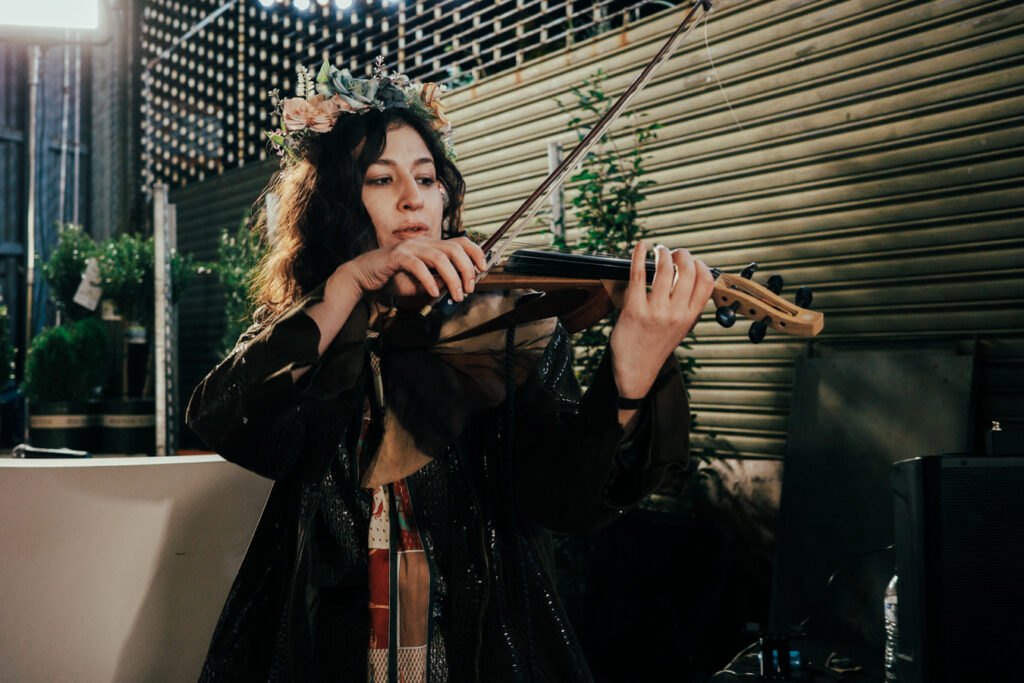
MATR3ARC arranged the art in three curated sections: Peace, curated by Arlyn De los Santos; Liberation, by Mandana S. Ighani; and Power, by Malakai. The Power section included a special presentation of film works personally selected by Kara Walker, the artist known for her room-size cut-paper silhouettes, and shared with permission from Kara Walker Studio. Walker did not attend, but her presence filled the garden. Guests sat for portraits and joined a botanical sound-healing ritual. They moved between a wine tasting, live violin from Karina Byakova, film projections and a set from DJ Damage.
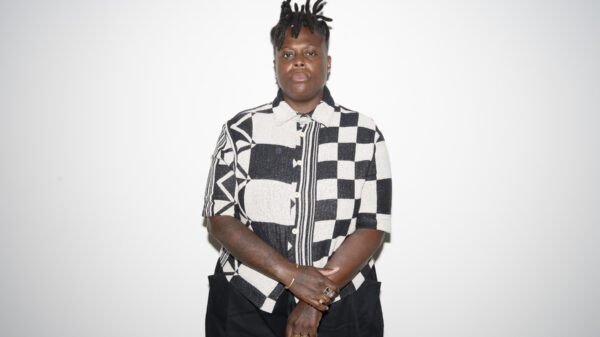
Malakai J, who founded MATR3ARC and Made In Her Image, built the night around a question. “Peace 2 Power began with a question: What does peace make possible?” she said. “For me, peace is the freedom to imagine, create, and exist beyond the limitations placed on us. I’ve spent years building spaces for people to tell their own stories, and I wanted to create an experience where art wasn’t simply something we observed, but something we participated in.”
“Art changed my life,” she said, “and I believe it can change someone else’s.”
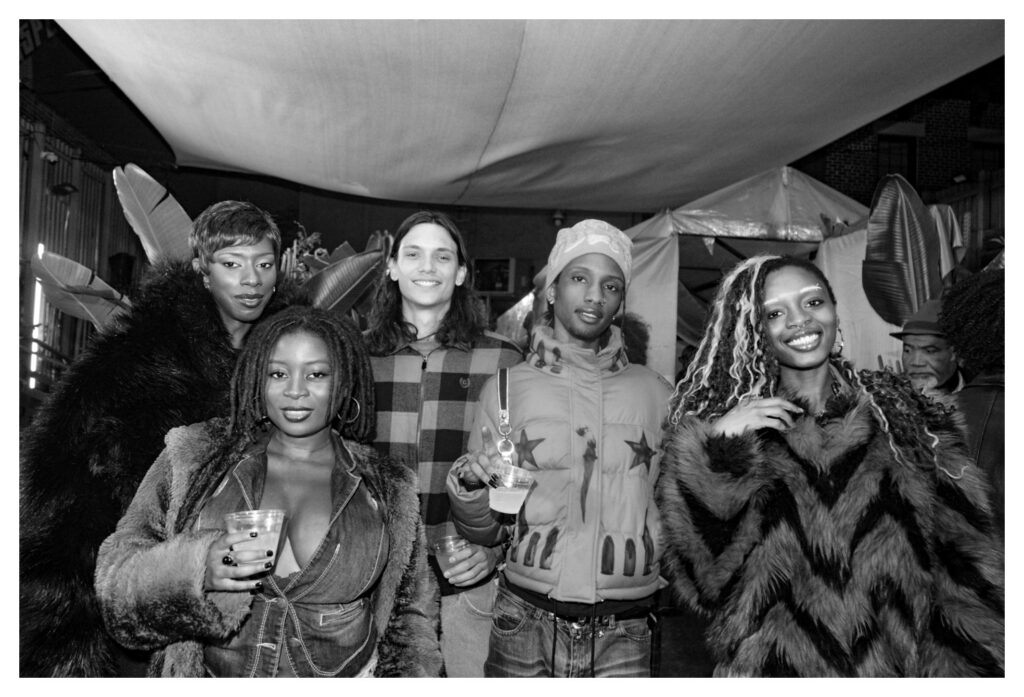
I spent the night asking the artists and guests what peace and power mean right now, and what it takes to hold on to either one.
“We need each other”
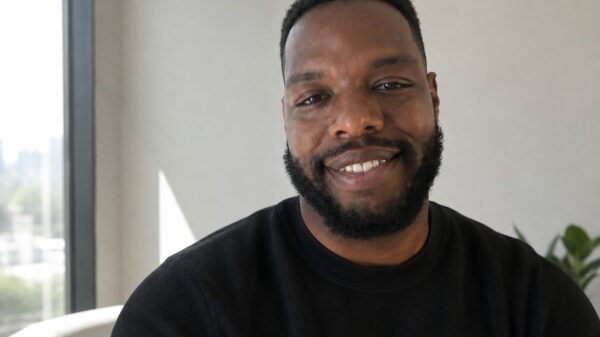
Mozel Watson, the Harlem sommelier who goes by the Wine God, came because his friend De los Santos asked. His company, WineGod Imports, sponsored the evening’s guided tasting. He has spent 21 years in wine, owned a shop and a restaurant, and now imports and distributes. He donated a few cases first. When the organizers said they still needed a bartender, he talked them out of hiring one.
“I said don’t waste money … this is what I do,” he told me.
For him, showing up is the point. “We’re bringing each other together with a sole intention to grow,” he said. “As long as our people are doing our events, I’ll be there, no matter where it is.”
Beyond the tasting, he made a classic margarita and his own rum punch with pineapple. At 38, he admitted his own generation frustrates him. The garden left him proud, he said.
“I’ve been talking shit about our generation,” he said, then pointed to the artists around him. “There’s a big, big group of us that’s really about it, really doing it.”
His advice to anyone watching the culture through a screen was plain. “Get out your bubble,” he said. “Put the phone down, pick up a book.”
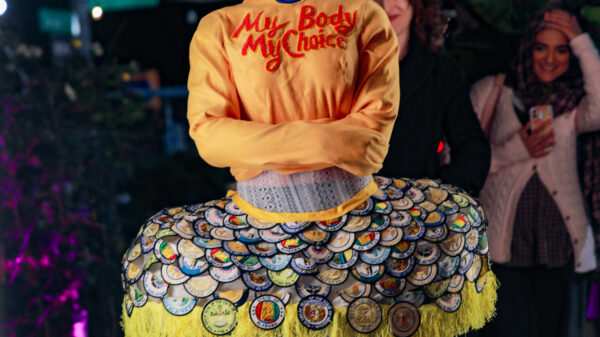
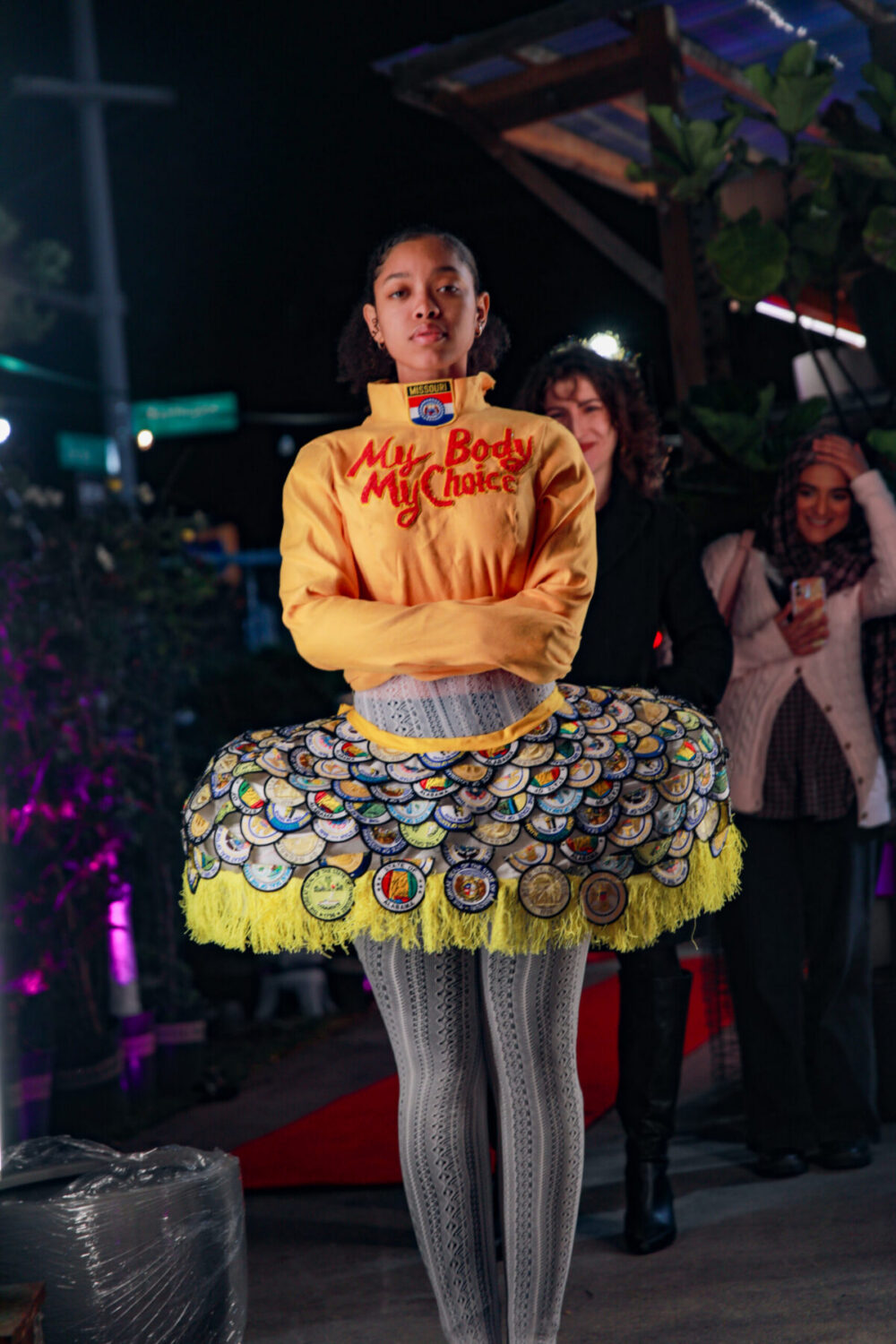
Sanna Legan, an artist whose work deals with bodily autonomy and abortion rights, made a sharp version of the same point. She said corporations are working to make staying home alone more appealing, with chatbots on call to “generate you slop.” To her, a garden full of strangers pushes back against that.
“That’s what makes it even more revolutionary to … not only come together like this for this reason, but also just to be with other people and have conversations and have your point of view be challenged,” Legan said.
Philadelphia filmmaker Kyra Knox, who directed the documentary “Bad Things Happen in Philadelphia,” framed it in terms of work. She said most offices leave little room for honesty.
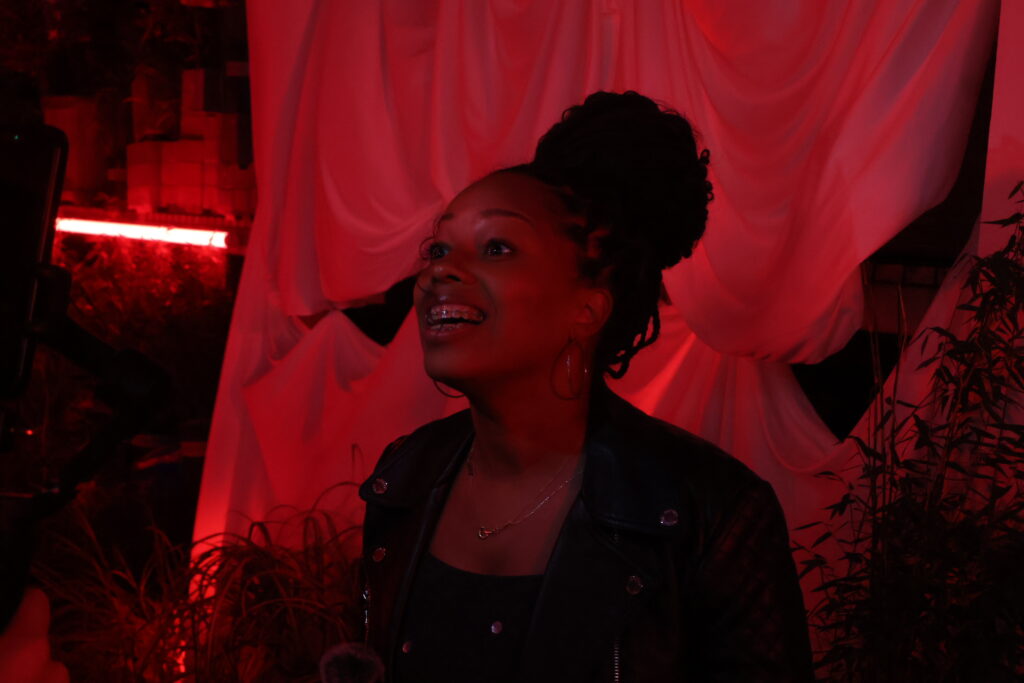
“We need that laughter, we need a safe space to be able to talk about our feelings, because when we go to work, a lot of times we can’t be as open, we can’t be as vulnerable, we can’t be as transparent,” Knox said.
Spaces like the garden are the exception, Knox said. “Events like this is where we have these safe spaces where we can lay it all out for everyone to hear, for everyone to see, for everyone to just be a part of.”
Knox told me she was 34 when she asked her husband, through tears on the couch, whether she could quit her corporate job to direct. She gave her employer 90 days’ notice. Eight years later she makes films full time, and she credits her grandfather, who led a chapter of Concerned Black Men and took Black kids to chess tournaments and college tours.
“I’m making my pop pop proud,” she said.
Griffin put the same idea in personal terms: “I don’t have to do this alone, and … we can do it together.”
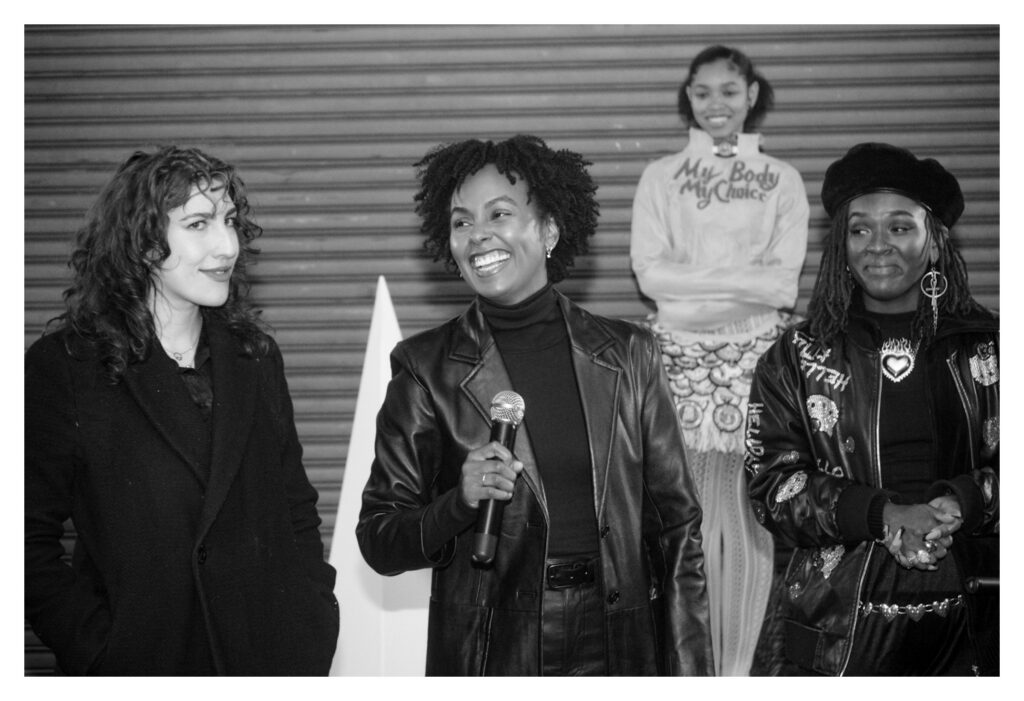
Ashley Versher, who has worked with Made In Her Image to support young filmmakers of color, carried that thought to the mic. Her short film “Brief Exchanges” follows a young Black woman through one day in New York City and the seemingly small, sharp moments of being Black and a woman in public. The film played silently as part of the evening’s Living Gallery, projected among the installations in the garden. Versher told the crowd that the feeling in the garden, of “being in a place where you feel safe,” was what her film is about.
Malakai followed Versher at the mic and started her remarks by asking the volunteers to raise their hands. “They are the only reason,” she said. She then asked the crowd to talk to the artists and give them hugs, because the life of an artist “especially within this world and within this time” can mean that “we don’t really truly get to see ourselves.”
“Peace doesn’t have to be peaceful”
My own view is simple. Peace is something I had to learn, and now I have to protect it. I shared an old saying with Lathenia Janae Johnson, an animator and visual artist: it is better to be a warrior in a garden than a gardener in a war. Being peaceful and being harmless are different things.
Johnson’s answer was daily and practical.
“When I think of peace, it’s like, I have to … literally pray about that every day,” she said. “If I don’t do that, I will not have peace.”
Tiffany Chiffani Silas had spent the day before helping get the garden ready. Her case for power started with her grandmother’s line about catching more flies with honey than vinegar. She described her own power as soft, the kind that gets a call returned.
“You don’t always have to rule with an iron fist,” Silas said. “Sometimes you just smile and wink.”
Legan pushed the other way. She said she almost didn’t submit her work because she thought it was too angry for a show about peace. The organizers told her the anger was why they wanted it.
“The best peace I felt has been at protests, has been at gatherings, has been when I’m so rageful and angry,” Legan said. “Peace is something that we’re only gonna get to by getting loud and by getting angry and by getting power and taking our power back.”
She also refused to treat this moment as unusual. “There has always been genocide, there has always been fascism, and art has always reflected and responded to that,” she said.
Mexican performance artist Emilio Rojas, who attended as a guest, was the hardest sell. Every year since 2014, Rojas has had a tattoo artist reopen an inkless line of the U.S.-Mexico border down his back. He told me his next performance, the following day, would add the Colorado River and the Rio Grande to his arms while the names of people who drowned crossing them were read aloud.
He called culture and community the two things holding people together “in a country that is like rapidly descending into fascism.” When I asked about peace, he wasn’t convinced.
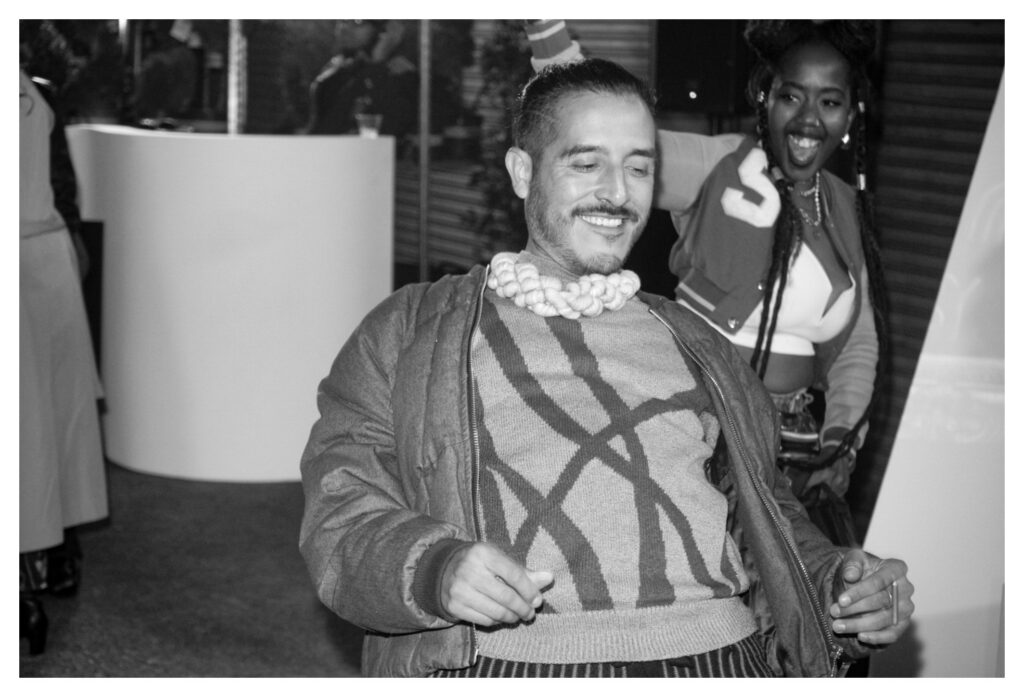
“I don’t know if peace is the answer, but … revolutionary, radical art making. I think,” Rojas said. My answer was that peace is always the answer, because it only lasts if you’re willing to protect it. He cited Toni Cade Bambara’s belief that the artist’s job is to make revolution irresistible.
“I’m a migrant, I’m here. I’m indigenous, so wherever you can see it, you know we’re getting attacked,” Rojas said. “How do you find hope to wake up every day and be grateful?”
We met somewhere in the middle. He agreed that peace, for him, means protecting it, for himself and for his community.
“Something we participated in”
The art followed the night’s title. Peace paired Versher’s film with textiles and paintings by Mesoma Hammida Onyeagba and photography by Vince Mejia and Steveo Spirals.
Liberation brought together animation, film and paintings from Uzoma “Uzo” Ngwu of ZOMA Studios and from Johnson, who works as Black Serpent Dynasty, alongside work by Legan and T.S. Simone and a film from Knox.
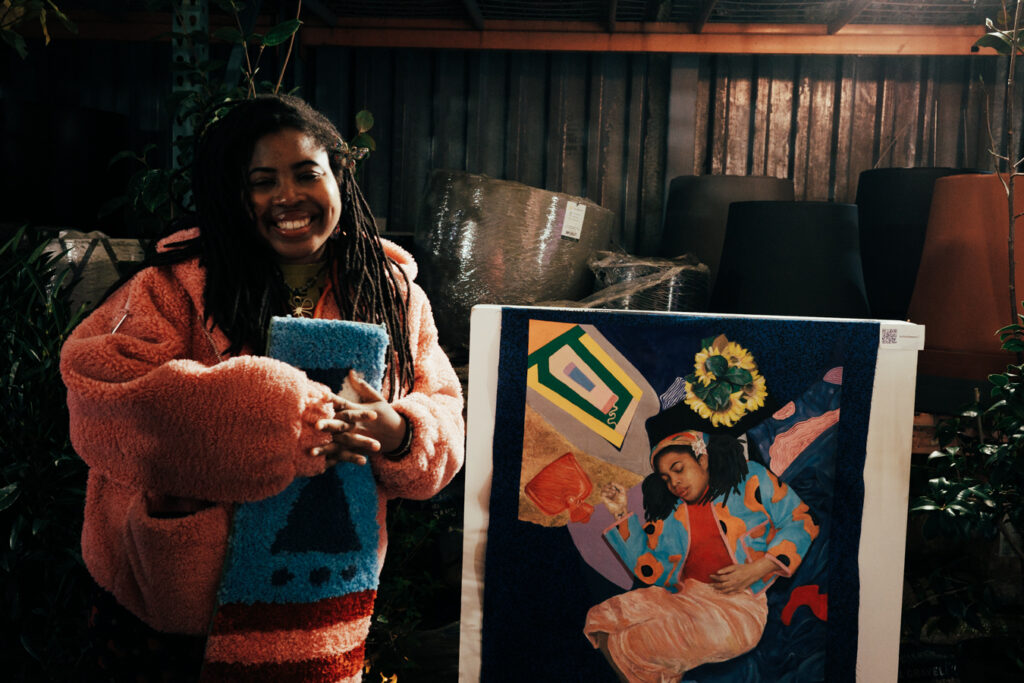
One painting stopped me in my tracks. In her self-portrait, Ngwu paints herself from above, as if the viewer is looking down from the ceiling at her lying down, surrounded by flowers and objects she holds dear. She looks completely at peace. It is one of the most interesting takes on a self-portrait I’ve ever seen.
Power featured multidisciplinary artist King Paris and the film works Walker selected for the night. Artist Tyler Newman also contributed artwork.
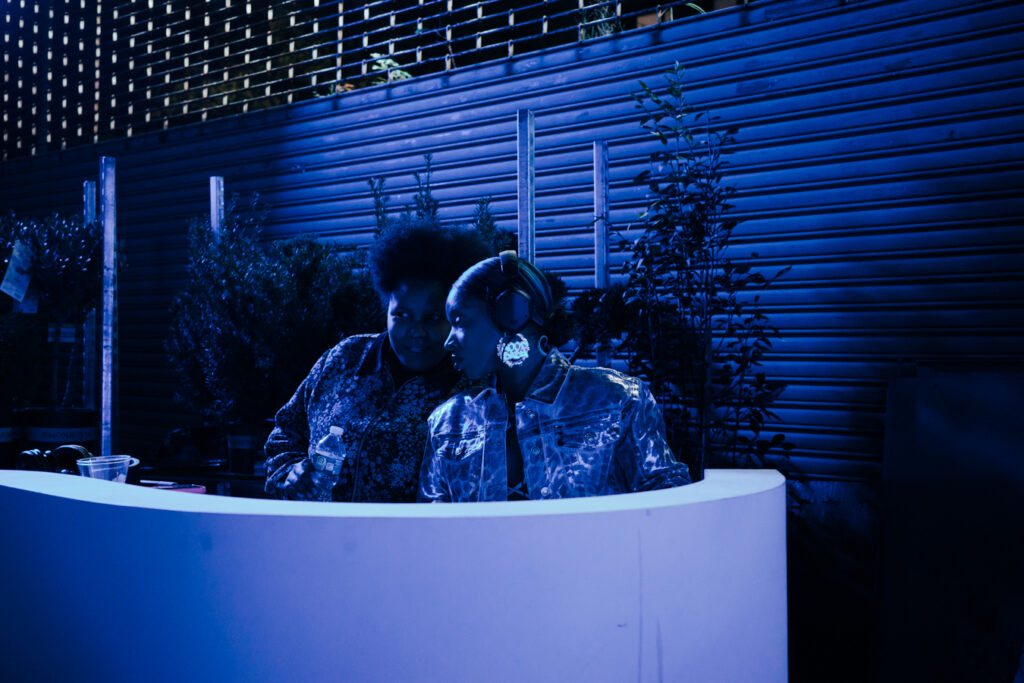
Music moved through all three. Byakova played violin, HOODBABY BLUE performed, and King Paris and Logan Damage aka DJ Damage held the sets.
“No matter how dim the light is”
Late in the evening, Malakai closed her remarks with a request. “I want you all to be happy, please dance,” she said. DJ Damage took it from there.
Legan put the night in a longer line. “No matter how dim the light is, people have always found a way to come together and make art,” she said.
By the end of the night, the argument over peace and power had a practical answer in the garden itself. The money raised there pays for access: training, mentorship and a place to start for young people who want to tell their own stories.
The work continues after the garden goes back to being a garden. MATR3ARC’s activations support Made In Her Image and The Open Lens, which give young storytellers access to film, art, technology, mentorship and community. The night raised enough to fund one youth opportunity through The Open Lens, the first of 25 that MATR3ARC is working to support toward a $25,000 goal. Made In Her Image has trained more than 2,000 emerging creators since its founding, according to the organization. Readers can support the next generation through the Ase Wave: Peace 2 Power donation page.
Malakai called the first result a starting point. “To some, that might seem like a small beginning, but to me, that’s exactly where meaningful change starts,” she said. “One young person gaining access to a camera, a mentor, a creative community, or an experience that helps them see a future they hadn’t imagined before. … We still have 24 more youth opportunities to fund, and so much more work ahead of us. … This is our first activation, not our last.”
The series that brought them together is named for the word that seals a commitment like that. In Yoruba tradition, ase carries the power to make things happen. It is how a prayer ends, and it means it is so.
Ase.
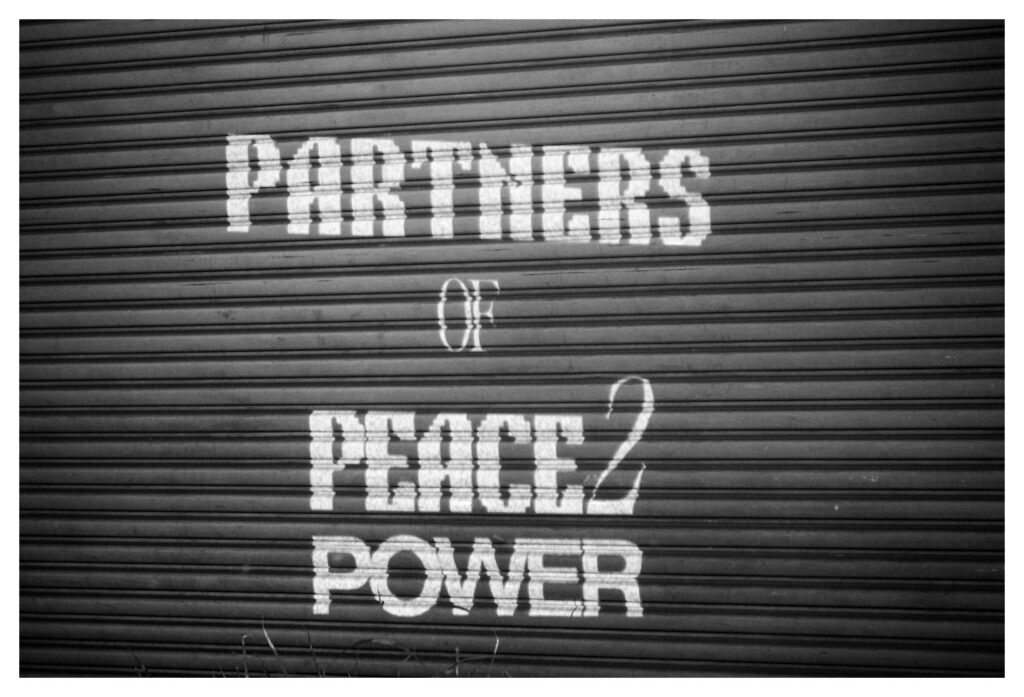
Peace 2 Power was presented and produced by MATR3ARC with cultural partner Black Spectrum, founded by Melissa Cannelle Alibo, and hosted by Natty Garden, a Black-owned space in Prospect Heights. Partners included LaParis Phillips of Brooklyn Blooms; Tip Top Props; Red Hook Kitchenette; WineGod Imports; Moment Botanica; NIXIE; DRY Water; and Incase.
Learn more about MATR3ARC on its official website.
West Ward Beans was an editorial and guest-curation partner for Peace 2 Power, and James Rashad participated as one of the evening’s Voices of Peace.