





Sabu: Wrestling’s Silent Storm Leaves a Loud Legacy
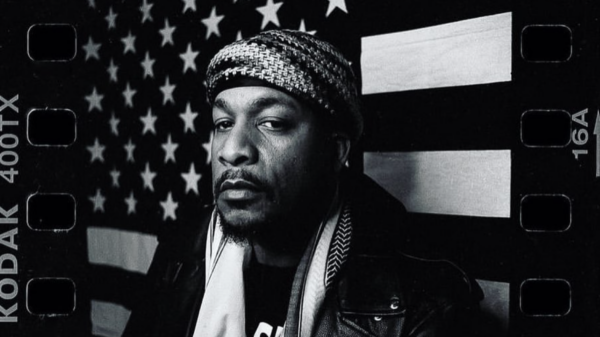
Once upon a time wrestling blurred the lines of reality and entertainment so finely that it had to be real; that’s when we introduced to Sabu—he was a myth stitched together with scars and silence. Trained by his uncle, the legendary Sheik, Sabu entered the ring with chaos in his DNA and something to prove: that pain could be performance. In ECW, he became the high priest of hardcore wrestling, diving through flaming tables, wrapping himself in barbed wire, and refusing to talk—because his violence did all the speaking. He carried Middle Eastern imagery into the ring, cloaked in keffiyehs and mystery, at a time when that choice made fans uncomfortable and promoters nervous. Still, he didn’t ask permission, and he never stopped pushing the limits.
While mainstream stardom eluded him, Sabu left fingerprints on every wrestler who ever jumped off a ladder or bled for a pop. His influence echoes in the risks today’s performers take—the high-flying daredevils, the deathmatch purists, the ones who treat pain like punctuation. And unlike many of his era, Sabu never softened to fit a mold; he chose scars over safety, legacy over longevity. Wrestling has always blurred lines between real and fake, but with Sabu, nothing felt scripted. Every dive felt like a dare: “Will you go as far as I did?”
To this day, fans debate his place in wrestling’s canon—but influence can’t always be measured in belts or ratings. Sabu didn’t need a mic or a monologue to shift a culture—he just needed a chair, a table, and a willingness to break both. His body is a map of everywhere he went for the business, and every inch of it tells a story the industry is still trying to translate. In a sport built on theater, Sabu was an unspeaking sermon—a reminder that silence, when paired with action, can scream. He changed the game by refusing to play it safe.
Rest in peace Champ.