




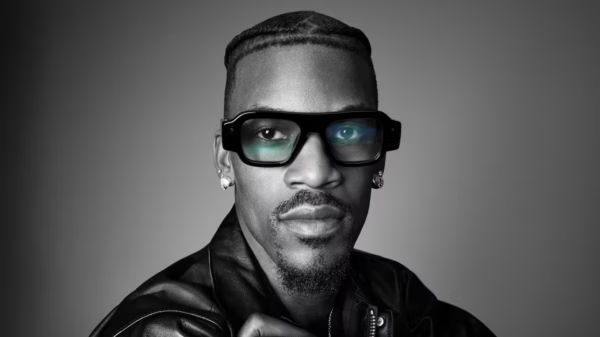




Little Engine Media and Microsoft proved that real-life gaming community still matters in an increasingly isolated digital world
In 2025, the most cutting-edge thing you can do in gaming is also the oldest: show up in person. GameCrunch proved this on August 2nd, when Little Engine Media and Microsoft convinced gamers to leave their bedrooms and play together in real life. Sponsored by Monster Energy Drink, the sold out gamer culture event may have been the missing ingredient your summer needed.
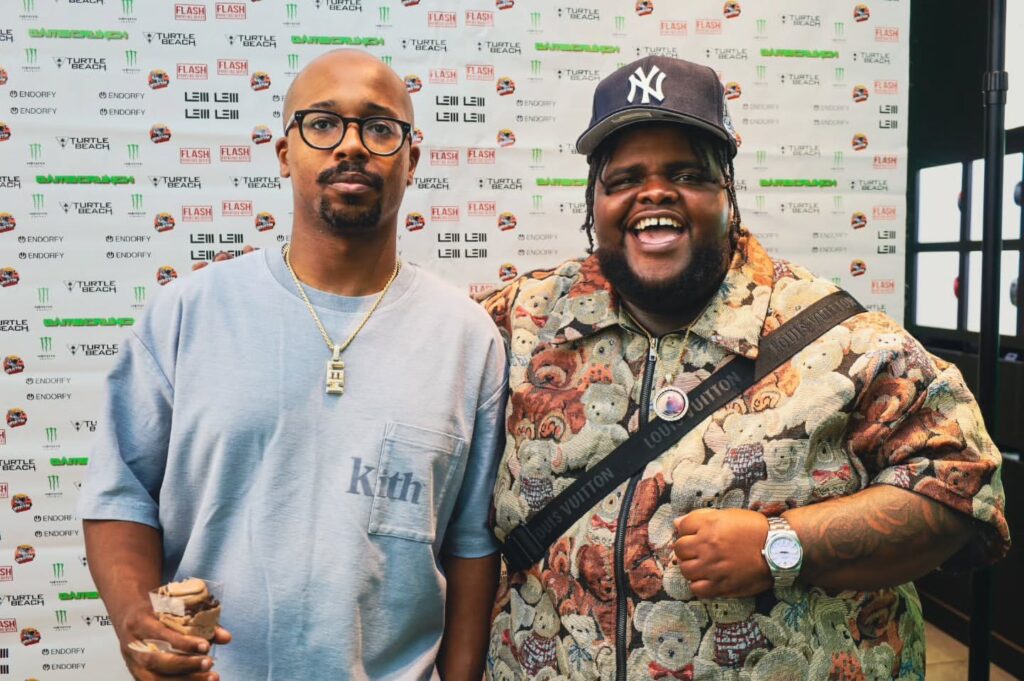
Gamers gathered at Microsoft’s flagship store on Fifth Avenue, greeted with exclusive merch gift bags and most importantly, genuine human connection. According to a 2025 Cigna survey, 57% of Americans report feeling lonely. Among young adults—gaming’s core demographic—73% of Gen Z and 88% of Millennials struggle with loneliness.
Gaming has exploded into a worldwide community of over 3 billion players, but the communal component has been systematically stripped away. Research shows gaming for social connection reduces isolation, but gaming for escape actually increases it.
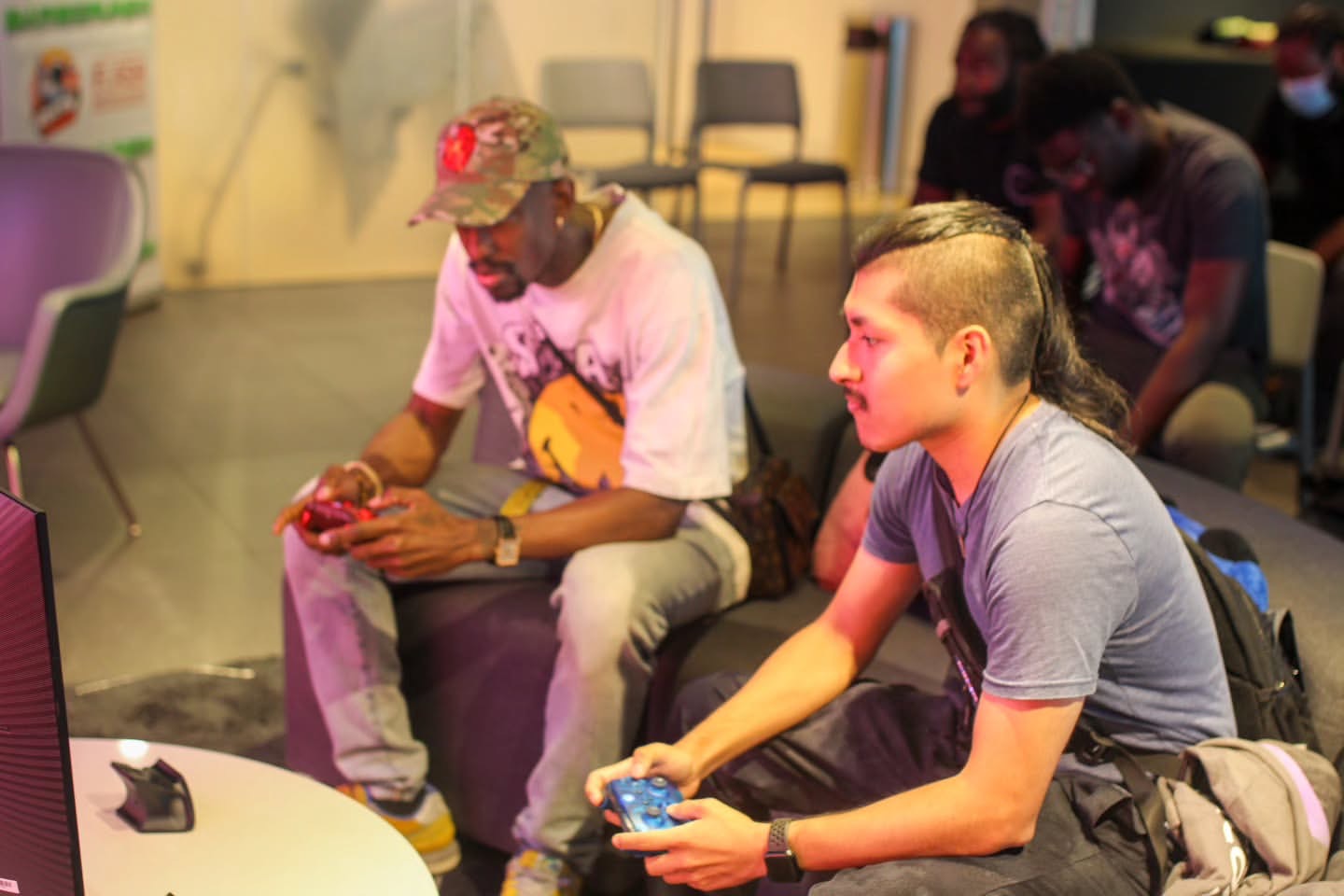
Adisa, winner of the Street Fighter 6 tournament, admitted he hasn’t been to a friend’s house to play games in over 10 years. Yet, the duplex gaming center was full of high-fiving after victories and offering genuine congratulations after defeats.
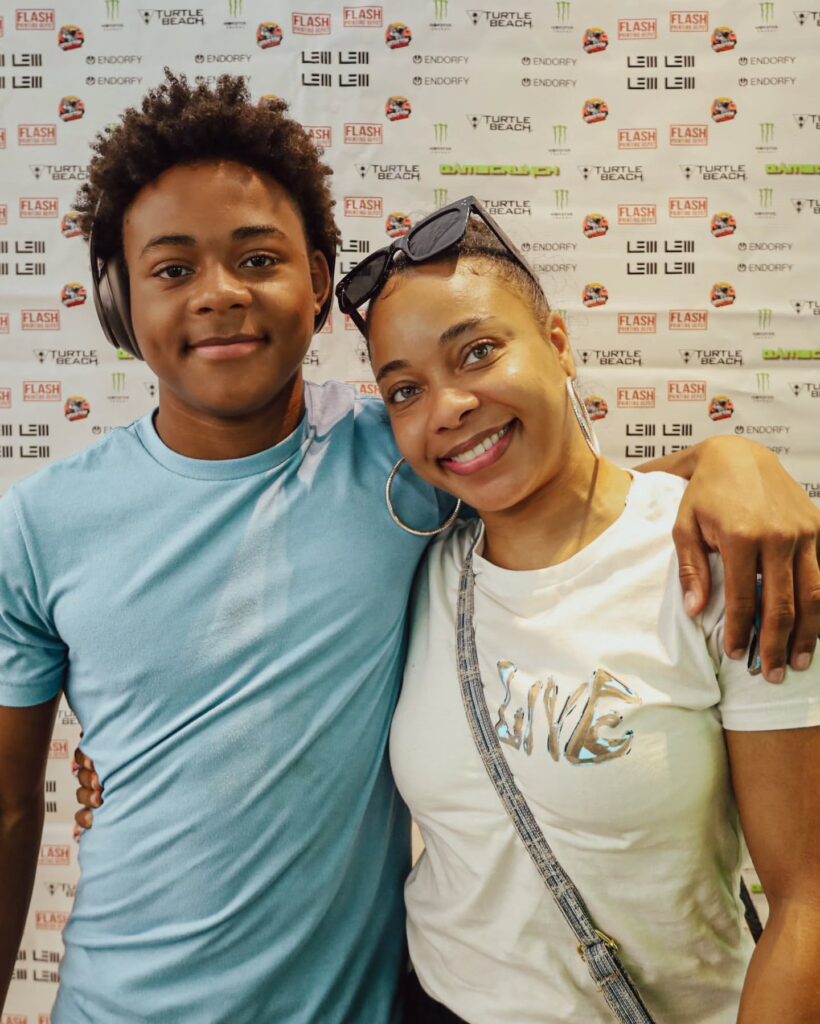
“I feel like the togetherness is very important. I feel the camaraderie has a bigger impact, because you feed off of energy. It’s important for you spiritually, mentally,” said Cori Barnes (@iroc_diva), capturing what algorithms can’t replicate—the spiritual component of shared presence.
The event offered unlimited Xbox access, but competitive tournaments became the real draw. Street Fighter 6 featured a jumbotron for spectators who cheered at combo sequences. Madden 25 had 12 Xbox consoles where trash talk carried weight and celebrations included human contact rather than rage quits to empty rooms.
“I’m the best Madden player in the world. The trophy’s already mine, bro,” declared Darius DK. The difference between online bravado and in-person confidence became clear—one builds community, the other destroys it.
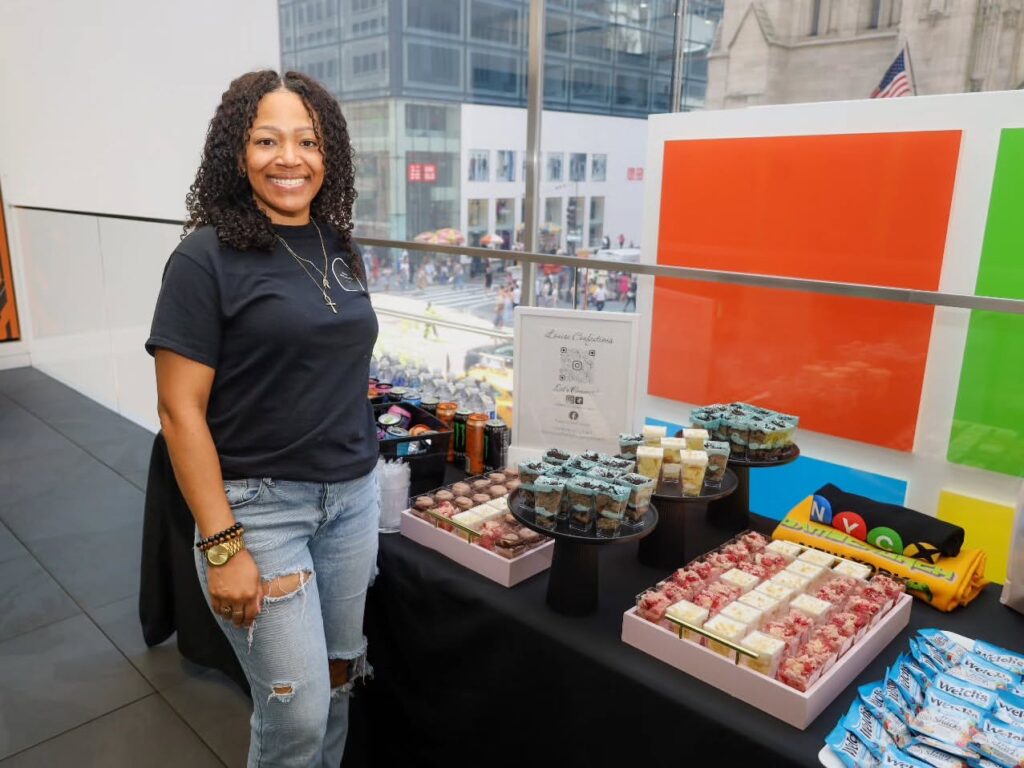
Between matches, attendees shared mini dessert shooters from Louise Confections. These micro-interactions built social fabric that Discord channels simply cannot weave.
For Microsoft, GameCrunch tested whether appetite still exists for shared physical gaming spaces. “When you think about the pandemic, everybody was out and about, and then post-pandemic, it’s like everybody wants to be indoors,” observed Lynette, Microsoft Experience Center Event Manager.
Their bet paid off in unmeasurable ways. Spontaneous hugs between tournament winners and opponents, collective groans during missed plays, strangers becoming teammates while teaching combo techniques—these moments revealed what engagement metrics miss. Community is about human connection that strengthens both mental health and brand loyalty.
Coach K, credit specialist and financial literacy educator: “I got a little brother. He’s 10 years younger, and he be on me like, ‘Bro, if you would have told me not to put them video games down, I could have possibly been rich from playing video games.'” His observation captures how gaming evolved from antisocial stigma to potential wealth, but lost the joy of shared play somewhere in that transition.

GameCrunch restored something essential—proof that human bodies carry wisdom technology hasn’t replicated. Players unconsciously leaned in during tense moments, celebrations naturally became group affairs, losses felt less devastating with immediate physical comfort. These weren’t programmed responses but evolutionary social behaviors that online gaming simply cannot activate.
The high-fives, shared groans, and spontaneous coaching between strangers weren’t nostalgic throwbacks—they were essential human needs that digital connection had been failing to meet.
GameCrunch proved that the most revolutionary thing you can do in 2025 is also the most ancient: gather people in the same room and let human connection work its magic. The gaming community’s appetite for real-world connection hasn’t disappeared—it’s been waiting for someone to create the right space.
The next time someone tells you gaming culture is antisocial, remind them about August 2nd in Manhattan. Real community isn’t built through headsets—it’s built through showing up. Will the industry follow Microsoft’s lead and create spaces for genuine connection, or keep building walls between players who desperately need each other? The controllers are waiting, but more importantly, so are the people holding them.